Blitz Bureau
NEW DELHI: While the monsoon fills the reservoirs this week, a longer story runs beneath it: how India secures water for every home, in the dry months as well as the wet. On coverage, the progress has been historic. Under the Jal Jeevan Mission, rural households with a tap connection had risen to about 15.82 crore by March 2026 — more than 81% of rural homes — from just 3.23 crore, under 17%, when the mission began in 2019. More than 2.7 lakh villages have been certified as “Har Ghar Jal,” with a tap in every household and public institution. Few countries have extended a basic service to so many people so fast.
The next phase is subtler and, in its way, harder. A tap is a promise; a reliable, safe flow through it every day is the delivery — and the gap between the two is where the real work now lies. Recognising this, the Union Cabinet has extended the mission to December 2028 with an enhanced outlay and an explicit focus on the sustainability of the water source behind each connection. The challenge has shifted from laying pipe to keeping it full: protecting the aquifers, streams and reservoirs that feed the system so that coverage on paper becomes water in the glass.
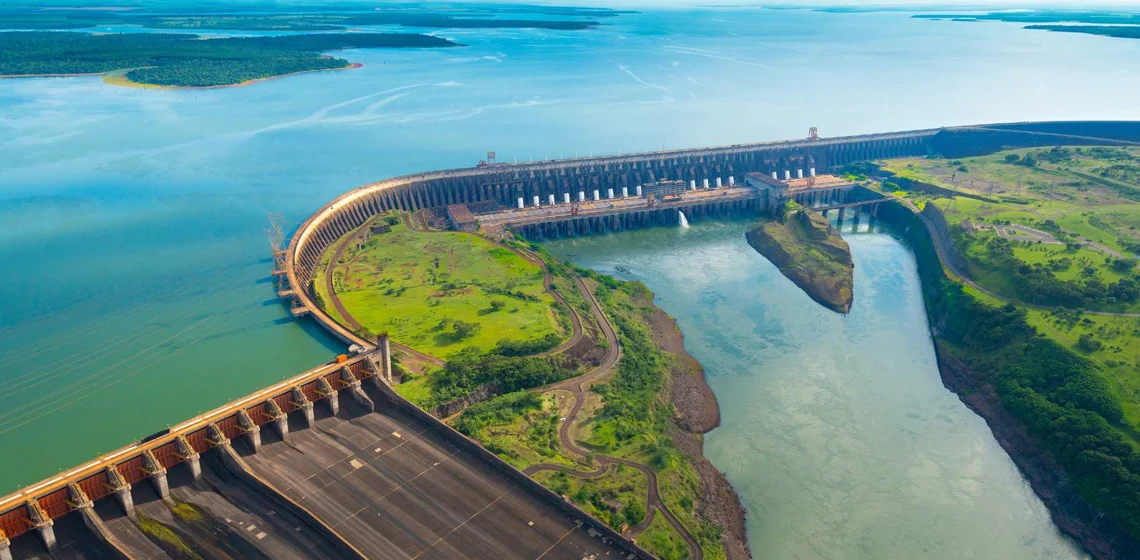
The source behind the tap: With ~15.82 crore rural homes now connected, the mission’s extension to 2028 shifts the focus to source sustainability — keeping the aquifers and reservoirs behind each pipe full.
Laying the pipe is the visible half of water security. Keeping it full, year after dry year, is the half that lasts.
The Long View
• Coverage: ~15.82 cr rural tap connections by March 2026 (81%+)
• Start point: 3.23 cr connections (under 17%) in 2019
• Certified: 2.7 lakh+ “Har Ghar Jal” villages
• Next: mission extended to 2028, focus on source sustainability
The honest account names the pressure points: groundwater is over-drawn in parts of the north-west and the peninsula, water quality varies, and difficult terrain and funding gaps have slowed some states. This is precisely why the monsoon and the water mission belong in the same conversation. Every well-managed rainy season is a chance to bank water underground — through recharge pits, restored ponds, check dams and watershed work — so that the tap keeps running when the clouds have gone. Rainwater harvesting is not a slogan here but the mechanism that makes universal supply sustainable.
The constructive, long-view read is that India has done the hard, unglamorous work of near-universal coverage and is now turning to the equally vital work of permanence. The way forward is to pair the pipe with the source: measure and replenish aquifers, price and manage water for efficiency in farming that uses the bulk of it, treat and reuse more of what cities discharge, and keep village water committees in charge of their own supply. Handled with that patience, a tap in every home becomes what it was always meant to be — not a one-time achievement, but water security that holds for generations.