Blitz Bureau
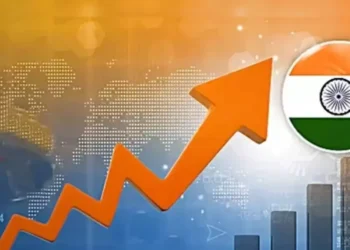
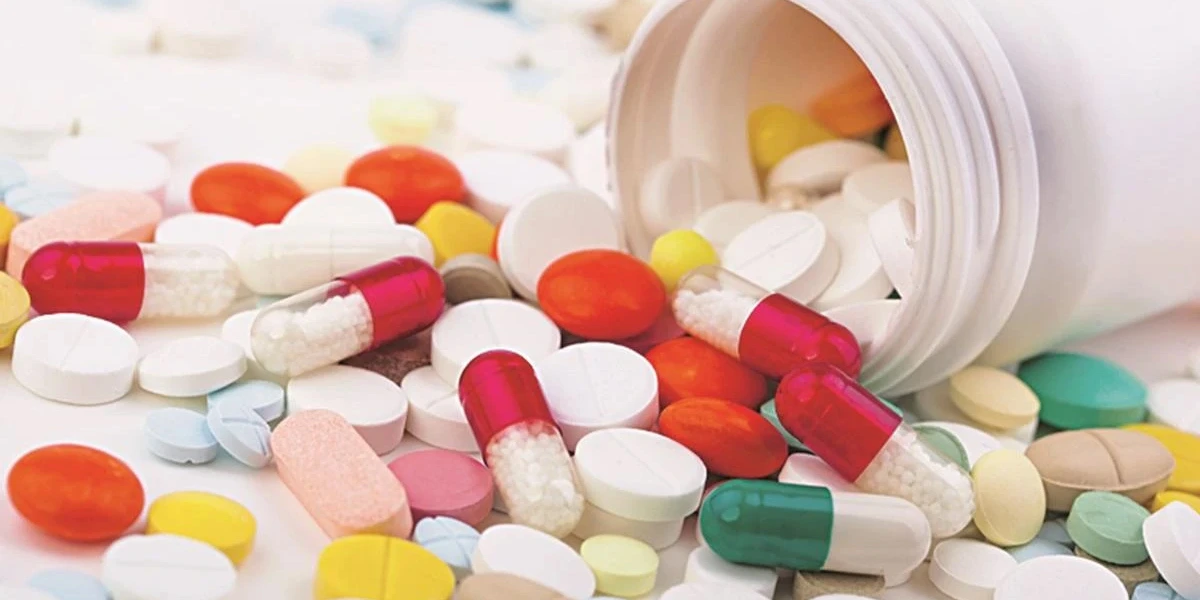
NEW DELHI: Few Indian industries touch as many lives abroad as the one that makes the world’s affordable medicines. India supplies a vast share of the planet’s generic drugs, and the United States — its single largest market, taking more than 30% of pharmaceutical exports — is where much of that value lands. So when word spread of a US plan to eventually tariff imported generics, Indian pharma shares softened on Thursday and the sector’s biggest names slipped. Read the timeline, though, and the picture is steadier than the first headline suggests.
The proposal, so far made as a social-media announcement rather than a formal proclamation, sets out a phased path: imported generic medicines would stay exempt for two years from August 1, 2026, with a 100% tariff envisaged in 2028 and 200% in 2029. A two-year runway is not a door slamming shut; it is a long horizon in which policy can change and industry can adapt. Analysts were quick to call the immediate market reaction largely sentimental, noting that shifting production of low-priced medicines to the United States is hard to justify against high manufacturing costs, long regulatory timelines and the thin economics of generics.
A supply chain built over decades: India makes a large share of the world’s generic medicines, with the US its biggest market at over 30% of pharma exports. A proposed US tariff on generics carries a two-year exemption from Aug 1, 2026 — time, not a sudden shock.
A supply chain built over decades is not re-routed by a season’s headlines. The medicines that keep costs down for millions are a shared interest, not a bargaining chip.
At a Glance
• Plan: generics exempt two years from Aug 1, 2026; then a phased 100% (2028), 200% (2029) — announced, not yet formalised
• Market: the US takes 30%+ of India’s pharma exports
• Reaction: Indian pharma shares eased; analysts call it largely sentimental
• Backdrop: the wider India–US deal sits at the “last 1%” before a July 24 tariff deadline
The deeper point is one of mutual dependence. India’s generics are woven into the American healthcare system precisely because they are safe, reliable and inexpensive; they hold down drug bills for patients and insurers alike. That is a strength no tariff schedule can quickly replace, and it is why a two-year exemption reads less like a threat and more like a window — time to negotiate, time to invest, and time to move the industry up the value chain rather than merely defend its base.
The constructive way forward is the one India’s most competitive sectors have taken before: turn a challenge into an upgrade. That means investing in the higher-margin, harder-to-copy end of the business — complex generics, biosimilars and specialty drugs — while deepening manufacturing partnerships inside the United States where they make commercial sense, diversifying into Europe, Africa and the Global South, and keeping the quality edge that made “the pharmacy of the world” a phrase in the first place. The runway is long, the fundamentals are sound, and the smartest response to a distant deadline is to be a stronger industry when it arrives.