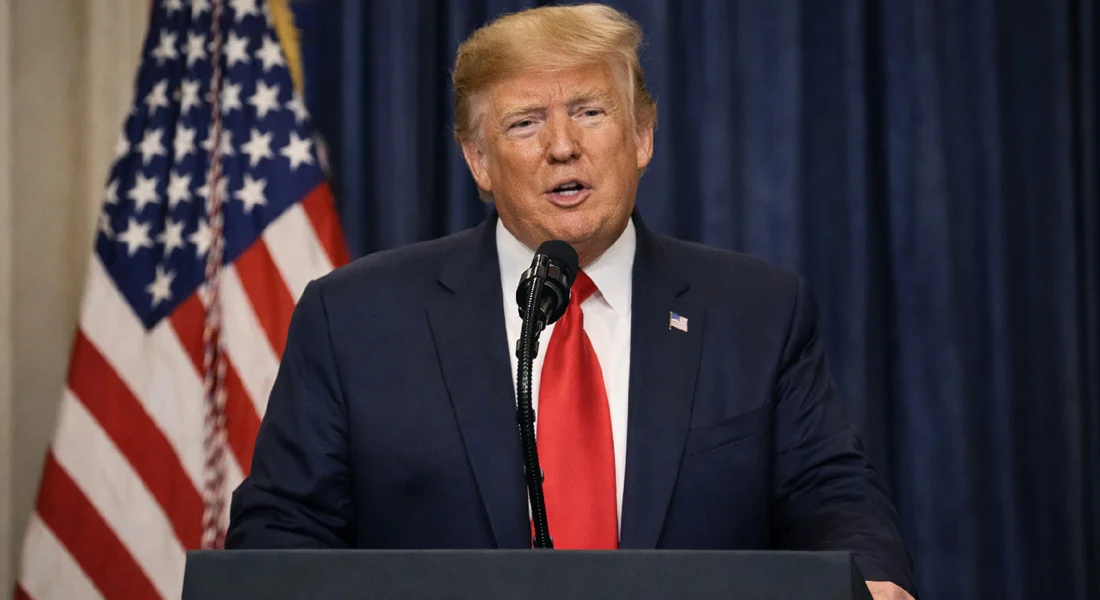
US President Donald Trump’s remarks expressing “100 per cent” support for India and praising Prime Minister Narendra Modi should be taken seriously – but with important qualifications. Like many Trump statements, they contain both genuine strategic signalling and a strong element of political theatre. The challenge is to separate the symbolism from actual policy commitments.
Personal warmth
At one level, the remarks are credible because they reflect a broader and bipartisan reality in American foreign policy: the United States today sees India as a critical strategic partner in Asia. This is not merely Trump’s personal view. Over the last decade, under administrations led by Barack Obama, Trump, Joe Biden and now again Trump, Washington has steadily deepened defence, technology and economic ties with New Delhi. The rise of China has pushed the US towards building stronger partnerships with countries capable of balancing Beijing, and India occupies a central place in that strategy.
Trump’s personal warmth towards PM Modi is also genuine. The two leaders developed visible political chemistry during Trump’s earlier presidency, showcased in events such as ‘Howdy Modi’ in Houston and ‘Namaste Trump’ in Ahmedabad. Trump admires leaders who project nationalism, strong leadership and mass popularity, and Modi fits that template. Therefore, the praise for PM Modi as “my friend” is not surprising or entirely transactional.
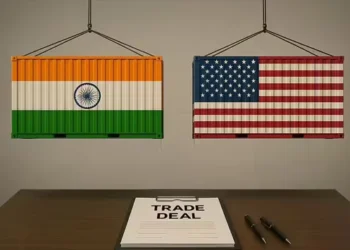
However, Trump’s remarks should not be interpreted as an unconditional security guarantee or blank cheque for India. He has a long record of making expansive statements that are later diluted by practical considerations, domestic politics or his own changing priorities. His phrase that “anything India wants, they get” is clearly rhetorical rather than literal diplomacy. The US still has significant disagreements with India over trade barriers, tariffs, Russia, immigration and market access. Moreover, Trump’s foreign policy style is highly personalised and unpredictable. He often values relationships between leaders more than institutional consistency. This creates opportunities for India but also risks.
Trump can strongly support a partner one day and publicly pressure the same partner the next if he feels American economic interests are affected. During his previous presidency, for instance, India lost preferential trade benefits under the Generalised System of Preferences (GSP), and Trump repeatedly criticised India as a “tariff king”.
Strategic message
Yet the larger strategic message behind these remarks is important. Washington increasingly views India not merely as a regional power but as a long-term geopolitical pillar in the Indo-Pacific. US Secretary of State Marco Rubio’s presence in India and his comments about the bilateral relationship being among the “most important” in the emerging global order reinforce that institutional consensus. So, Trump’s comments indicate that under him, the US is likely to continue strengthening ties with India, to counterbalance China. But India would still need to navigate American unpredictability carefully, because Trump often mixes genuine strategic intent with transactional bargaining.