Blitz Bureau
NEW DELHI:India begin a two-Test tour of Sri Lanka at Galle on August 15. They will do it without Jasprit Bumrah, and now without Sai Sudharsan — which turns a routine assignment into a genuine examination of the bench.
The bare facts first. Shubman Gill leads a 15-member squad with KL Rahul as his deputy, the first Test running from August 15 to 19 at Galle and the second in Colombo at the SSC from August 23 to 27, both counting towards the 2025–27 World Test Championship cycle. Bumrah was ruled out on August 3 with a knee injury and replaced by Auqib Nabi; Sai Sudharsan was ruled out this week. Ravindra Jadeja returns, and Saransh Jain has earned a maiden Test call-up. Two absences of that kind, in a squad of fifteen, on a tour of two matches, mean the selectors are not managing a rotation. They are auditioning a generation.
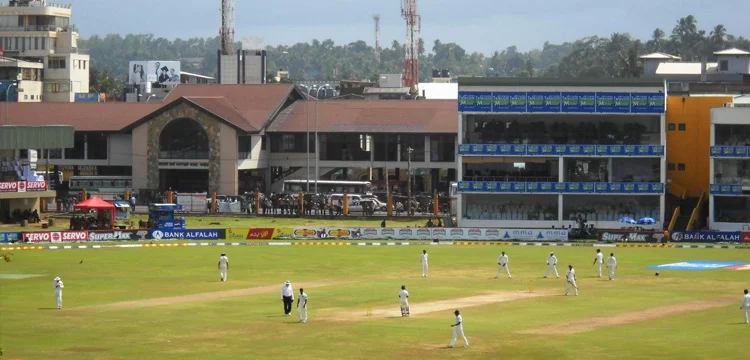
The fort end: Galle rewards spin from the second afternoon onwards, which is why a squad carrying Jadeja and a debutant spinner is a squad picked for the surface rather than the reputation.
Two Tests is a short series and an unforgiving one. There is no third match in which to correct a selection you got wrong in the first.
At a Glance
• Series: two Tests, part of the 2025–27 World Test Championship cycle
• First Test: Galle, August 15–19, 2026
• Second Test: Colombo (SSC), August 23–27, 2026
• Captain: Shubman Gill; vice-captain: KL Rahul
• Squad size: 15
• Ruled out: Jasprit Bumrah (knee, announced August 3) and Sai Sudharsan
• Called up: Auqib Nabi as Bumrah’s replacement; Saransh Jain receives a maiden Test call-up; Ravindra Jadeja returns
Galle is the variable that makes this interesting. It is among the most spin-dependent surfaces in world cricket, and it typically turns from the second afternoon, which compresses a five-day match into a contest decided by whoever bats best in the first innings and whoever bowls best in the fourth. A squad without its premier fast bowler is less disadvantaged there than it would be at, say, Centurion; the ground asks a different question, and India have historically been well equipped to answer it. The team has not lost a Test series in Sri Lanka since 2008, and that record has been built on spin depth and patient batting rather than pace.
The constructive way to watch this series, then, is not as a results referendum. It is as a supply test. Indian cricket’s structural advantage over the past decade has been the depth of its domestic pipeline — the ability to lose two front-line players and still field a competitive XI, because the Ranji Trophy keeps producing candidates who are ready rather than promising. A maiden call-up for Saransh Jain and a first extended run for Auqib Nabi are exactly how that pipeline is supposed to work: not as emergency cover, but as scheduled succession. Two Tests in Sri Lanka is a good place to find out whether it still does.