Blitz Bureau
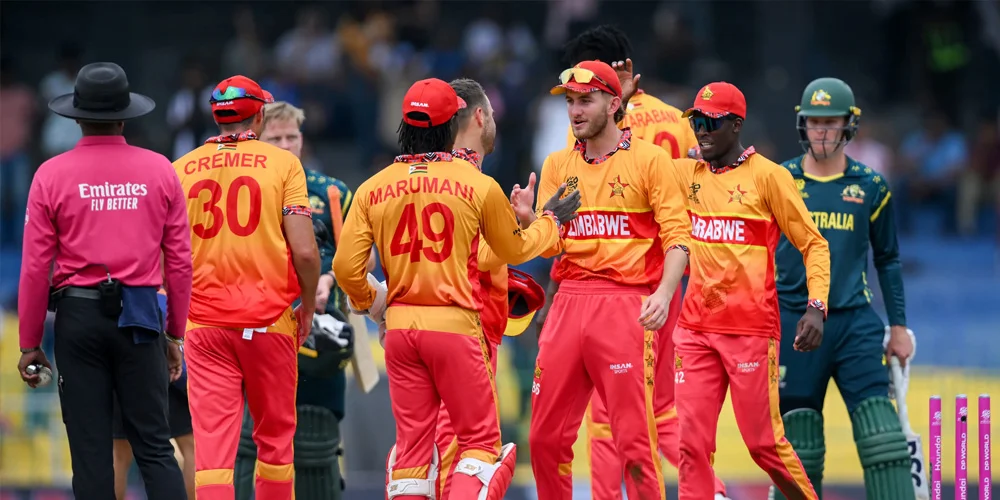
NEW DELHI: Indian cricket turns a page today. Fresh from a 2–1 one-day series defeat in England — where Joe Root’s runs settled a close contest — a much-changed, notably younger India begin a three-match Twenty20 series against Zimbabwe at the Harare Sports Club, the first game starting at 4:30 pm IST. It is a tour built less around star names than around the next generation: a squad carrying several uncapped players and a clear brief to find out who is ready for the bigger stages ahead.
The leadership storyline gives the series its edge. Shreyas Iyer takes charge of the side, still seeking his first win as captain after a run of narrow results — a young leader and a young team learning together, in conditions designed to test temperament rather than reputation. Zimbabwe, led by the seasoned all-rounder Sikandar Raza on home soil, will fancy their chances against an unfamiliar visiting line-up, which is exactly what makes the assignment useful.
A proving ground: India begin a three-match T20I series at the Harare Sports Club today under Shreyas Iyer, fielding a young side with several uncapped players after a 2–1 ODI series loss in England.’
A tour like this is not about the trophy cabinet. It is where a cricketing nation quietly discovers the players who will carry it through the next decade.
At a Glance
• Series: three T20Is at Harare Sports Club, July 23, 25 and 26
• First ball: 4:30 pm IST today; India captained by Shreyas Iyer
• Hosts: Zimbabwe, led by all-rounder Sikandar Raza
• Context: India come in after a 2–1 ODI series defeat in England
There is a healthy logic to sending a young, experimental side to Harare. India’s cricketing riches are deep enough that a full calendar demands the bench be tested in real matches, not just nets; a bilateral tour against a spirited Zimbabwe is the ideal classroom — competitive enough to matter, forgiving enough to learn in. For the uncapped names in the squad, a first international cap is the reward for years of domestic grind, and a chance to show they belong.
The constructive way to read the series is as an investment rather than a verdict. Win or lose in Harare, the value is in the game time: a new captain growing into the role, young batters and bowlers tasting international pressure, and selectors gathering the evidence that builds a squad for the tournaments that count. Zimbabwe, for their part, gain a marquee home series and the exposure that helps a proud cricketing nation rebuild. On both sides, this is the sport doing what it should — giving the next generation somewhere to begin.