Saji Chacko
The 2026 season of the Indian Premier League was supposed to be a celebration of legacy. Fans arrived wearing old jerseys, waving giant flags, and chanting the names that had dominated the league for nearly two decades. But by the middle of May, a strange silence had settled over the tournament. Three of the league’s most decorated franchises — Chennai Super Kings, Mumbai Indians, and Kolkata Knight Riders who have won 13 titles between them— were sinking together.
For the first time in IPL history, the three giants looked ordinary. While Mumbai Indians have been eliminated, KKR and CSK have a mathematical probability of making it to the semis. Both teams have to win each of their remaining matches to qualify. They have to triumph by big margins to ensure positive net run rate. It’s a scenario which even their worst critics would not have imagined.
The trouble began early for Chennai. Their campaign opened with a thrashing at the hands of Rajasthan Royals, but nobody panicked. After all, CSK had built a reputation on slow starts and miraculous recoveries. The five time time champions were never known for a powerful start. Yet something felt different this year. The batting lacked rhythm, the fielding looked tired, and the bowlers seemed unable to defend even strong totals.
At their home turf in Chepauk, the crowd once believed every match was already half won, frustration grew with every game. Fans still roared when the team walked out, but the energy faded quickly once wickets started falling. What followed was a litany of defeats and to add to their woes, their lucky talisman MS Dhoni did not play a single game.
The biggest concern was the absence of authority in the middle overs. CSK’s batters played cautiously, almost fearfully, while younger teams attacked from ball one. Their strategy, once considered smart and calculated, now looked outdated.
In one heartbreaking match against Bengaluru, Chennai collapsed from 110 for 1 to 142 all out. That was their nadir. The cameras captured stunned supporters sitting motionless in the stands. Social media exploded with debates about whether the franchise had held onto experience for too long and ignored the need for fresh talent.
Meanwhile, things were no better for five time champion Mumbai Indians, who are known to find their winning ways after poor starts, But this year that magic seemed to have deserted them altogether. Their batting order looked powerful on paper but fragile under pressure. One game they chased 220 with ease; the next they collapsed for under 120. The inconsistency frustrated fans more than the losses themselves.
The bowling attack suffered even more. Yorkers turned into full tosses. Catching errors became common. In several matches, Mumbai lost control in the final five overs, leaking runs at an alarming rate.
The defeat against Punjab became the turning point. Mumbai needed just 18 runs from the last two overs with six wickets in hand. Somehow, they lost by four runs. The dressing room looked shattered afterward. Senior players stared at the floor while coaches avoided eye contact with reporters.
Kolkata’s dramatic fall
Questions emerged about leadership, team balance, and auction strategy. Critics argued that Mumbai had spent too heavily on star names while neglecting dependable domestic players.
But perhaps the most dramatic fall belonged to Kolkata. KKR, three time winners. entered the season with enormous expectations after aggressive auction moves and bold promises from management. Their lineup appeared fearless, packed with power-hitters and mystery bowlers. Analysts predicted a top-two finish. Instead, KKR became the league’s most unpredictable side. One night they would dominate opponents with explosive batting. The next night they would collapse spectacularly. Their aggressive style produced thrilling cricket but also repeated disasters.
At Eden Gardens, supporters experienced emotional whiplash every week. Against Hyderabad, KKR smashed 240 runs and looked unstoppable. Three days later, they were bowled out for 96.
Their captain tried rotating combinations constantly, searching for stability, but nothing worked. The top order attacked recklessly, the middle order panicked under pressure, and the bowlers struggled on flat pitches.
The team’s body language slowly deteriorated. Fielders argued after misfields– bowlers showed visible frustration. Experts on television spoke openly about dressing-room tension. As the season progressed, the IPL points table produced an unbelievable sight: CSK, MI, and KKR sitting near the bottom together.
Fans across India struggled to process it. For years, these franchises had defined IPL greatness. They had won trophies, created legends, and built massive fan bases that stretched far beyond their cities. Now they looked vulnerable, confused, and trapped in transition.
End of an era
Teams once considered underdogs played with fearless intensity against the traditional giants. Opponents no longer entered matches against CSK, MI, or KKR expect- ing defeat. Instead, they attacked confidently from the beginning. Commentators described it as the end of an era. Yet amid the disappointment, there were moments that reminded everyone why these franchises remained special.
Even after repeated defeats, Chennai fans continued filling Chepauk in yellow. Mumbai supporters kept chanting until the final ball regardless of the scoreline. Kolkata’s Eden Gardens still erupted whenever a boundary was struck. Loyalty survived where results did not.
Toward the final week of the league stage, Mumbai Indians are out of contention, while CSK and KKR have to win all their matches to make the semi final grade. The narrative around IPL 2026 has changed completely. It is no longer about domination by old powers. It became a story about change, reinvention, and the ruthless nature of modern T20 cricket.
Experience alone was no longer enough. Yet cricket has always been cyclical as dynasties fall and new champions rise.
A tale of failed stars
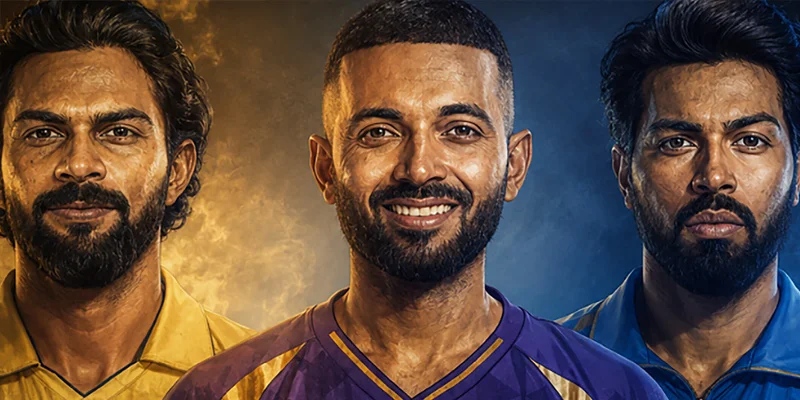
Chennai Super Kings, Kolkata Knight Riders and Mumbai Indians banked heavily on their marquee names, but ironically it was their high-profile stars who failed to justify either their reputation or price tags. For CSK, much of the spotlight fell on Ravindra Jadeja and Devon Conway.
Jadeja struggled to influence games consistently with either bat or ball, often looking short of rhythm in crucial middle overs. Conway, expected to anchor the top order, failed to provide stability and couldn’t convert starts into match-winning knocks, leaving CSK overly dependent on isolated performances from younger players.
Kolkata Knight Riders endured similar frustration with Andre Russell and Venkatesh Iyer. Russell’s explosive finishing ability, once KKR’s biggest weapon, appeared diminished as injuries and inconsistency hurt his impact. He delivered only flashes of brilliance instead of dominating games regularly. Venkatesh Iyer, retained as a core Indian batter, also failed to provide reliable starts or momentum in the powerplay, putting pressure on KKR’s middle order throughout the campaign.
Rohit, Hardik struggle
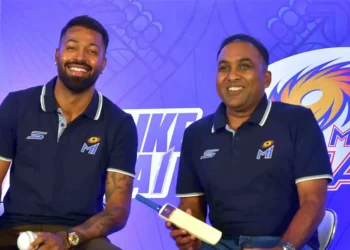
Mumbai Indians, despite boasting one of the strongest squads on paper, were let down by some of their biggest names. Rohit Sharma’s inconsistent run at the top hurt MI repeatedly, with the former captain unable to provide the aggressive starts the side needed. Hardik Pandya, expected to lead from the front as an all-round matchwinner, struggled for rhythm with both bat and ball, while his tactical decisions also came under scrutiny. Their underwhelming returns exposed Mumbai’s overreliance on individual brilliance rather than collective consistency.
| YEAR | WINNER | RUNNER-UP |
|---|---|---|
| 2008 | Rajasthan Royals | Chennai Super Kings |
| 2009 | Deccan Chargers | Royal Challengers Bangalore |
| 2010 | Chennai Super Kings | Mumbai Indians |
| 2011 | Chennai Super Kings | Royal Challengers Bangalore |
| 2012 | Kolkata Knight Riders | Chennai Super Kings |
| 2013 | Mumbai Indians | Chennai Super Kings |
| 2014 | Kolkata Knight Riders | Kings XI Punjab |
| 2015 | Mumbai Indians | Chennai Super Kings |
| 2016 | Sunrisers Hyderabad | Royal Challengers Bangalore |
| 2017 | Mumbai Indians | Rising Pune Supergiant |
| 2018 | Chennai Super Kings | Sunrisers Hyderabad |
| 2019 | Mumbai Indians | Chennai Super Kings |
| 2020 | Mumbai Indians | Delhi Capitals |
| 2021 | Chennai Super Kings | Kolkata Knight Riders |
| 2022 | Gujarat Titans | Rajasthan Royals |
| 2023 | Chennai Super Kings | Gujarat Titans |
| 2024 | Kolkata Knight Riders | Sunrisers Hyderabad |
| 2025 | Royal Challengers Bangalore | Punjab Kings |