Blitz Bureau
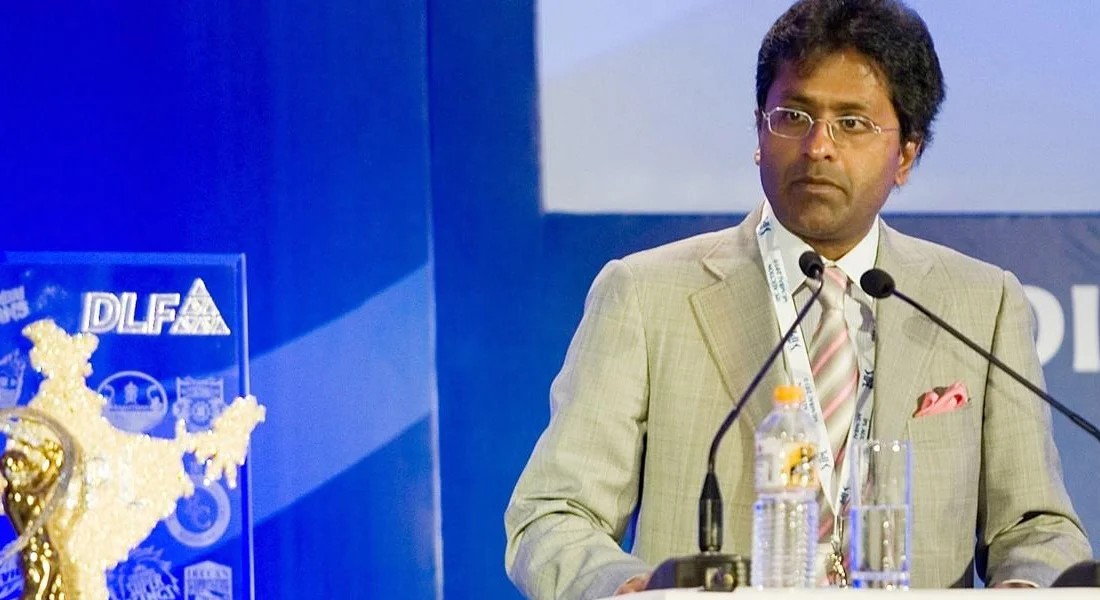
NEW DELHI: LALIT Modi was the chief architect behind the Indian Premier League (IPL), launched in 2008 by the Board of Control for Cricket in India. His idea was inspired partly by global sports leagues like the English Premier League and the National Basketball Association, combining sports with entertainment and business.
The IPL introduced a city-based franchise system where teams such as Mumbai Indians and Chennai Super Kings competed in a fast-paced Twenty20 format. Lalit Modi also pioneered player auctions, allowing franchises to bid for both Indian and international cricketers, creating a dynamic and competitive environment. The inclusion of cheerleaders, celebrity team owners, and prime-time broadcasting turned matches into entertainment events, attracting a wide audience beyond traditional cricket fans.
Financially, the IPL became a massive success within a few years, securing lucrative broadcasting deals and sponsorships. It significantly increased players’ earnings and provided a global platform for young talent. However, Modi’s tenure ended in controversy in 2010 when he faced allegations of financial misconduct and was suspended by the BCCI, eventually going into exile.
Despite these issues, Lalit Modi’s vision transformed cricket’s landscape. The IPL set a model for other T20 leagues worldwide, such as Australia’s Big Bash League, proving that cricket could thrive as both a sport and a global entertainment business.