Blitz Bureau
NEW DELHI: Africa is undergoing a major demographic shift. Home to 1.6 billion people today, the figure is projected to double by 2061. According to the United Nations Department of Economic and Social Affairs (UN DESA), Africa’s population is projected to reach 2.5 billion by 2050, making it the fastest-growing region in the world.
By 2040, Africa’s working-age population is projected to exceed that of India and China combined, according to the African Development Bank (AfDB) and the UN Economic Commission for Africa (UNECA).
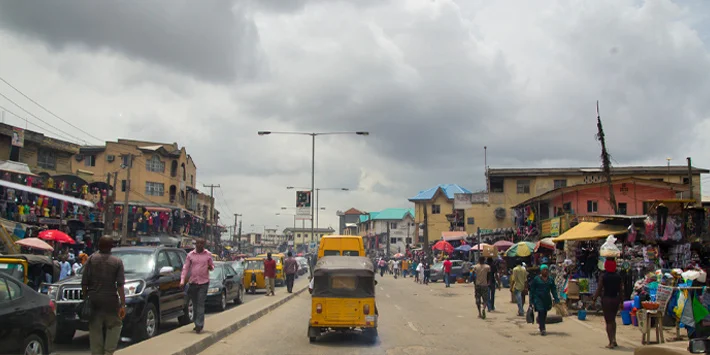
Cities such as Nairobi, Lagos, Accra and Dar-es-Salaam are evolving from administrative centres into dense consumer markets and labour hubs. The World Bank estimates that about 44 per cent of Africans currently live in urban areas, a share estimated to rise above 60 per cent by 2050.
According to experts Africa may only now be reaching the population density required to sustain broadbased growth. The demographic shift is accelerating faster than most governments can plan for or finance. Africa has the demographic tailwind, but not yet the institutional machinery to convert it into sustained growth.
Agricultural productivity in sub-Saharan Africa remains low. According to the Food and Agriculture Organization (FAO), cereal yields average about 1.5-2 tonnes per hectare, compared with more than 4 tonnes per hectare in South Asia. Some countries are attempting structural reforms. Ethiopia and Rwanda have demonstrated what sustained state focus can achieve.
The African Continental Free Trade Area (AfCFTA), established by the African Union (AU), aims to create a single market of 1.4 billion people with a combined gross domestic product (GDP) of about $3.4 trillion, according to UNECA. According to the UN Industrial Development Organization (UNIDO), manufacturing accounts for 10-12 per cent of sub-Saharan Africa’s GDP – significantly below industrialised economies, where the sector often exceeds 20 per cent.
For the first time in the continent’s postcolonial history, the ingredients for structural transformation are aligning: population size, labour supply and urban concentration.