Blitz Bureau
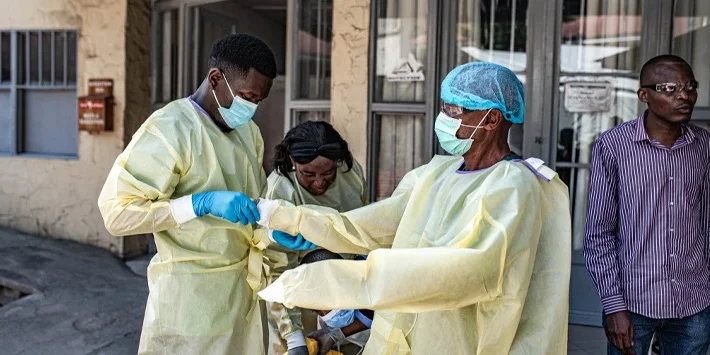
NEW DELHI: An Ebola outbreak in the Democratic Republic of Congo has been declared a public health emergency of international concern, by the World Health Organization (WHO). The latest outbreak is challenging because it involves a rare species of Ebola for which there is no vaccine, and the epicentre is in an area affected by conflict.
This outbreak is caused by the rare Bundibugyo species of Ebola, which had not been seen for over a decade. Named after a district in Uganda where it was first detected, Bundibugyo has only caused two previous outbreaks – in 2007 and 2012. One study showed that it killed about a third of those infected, far less than the more common Zaire (66.6%) and Sudan (48.5%) species.
There is no approved vaccine for Bundibugyo, but experimental ones are in development. It is possible that a vaccine for the Zaire species may offer some protection. There are also no drugs that target Bundibugyo, making it harder to treat. The WHO has recommended the evaluation – under strict protocols – of the experimental anti-viral drug obeldesivir, developed during Covid, to see if it is effective in stopping those who have been in contact with Ebola patients from getting sick.
Conflict zone
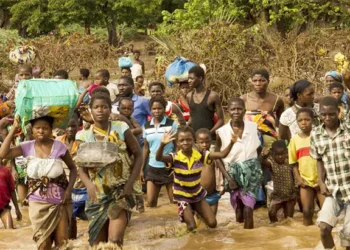
The outbreak is taking place in a conflict zone, with a quarter of million people displaced from their homes and people moving across porous borders into neighbouring countries. However, the risk Ebola poses outside Central and East Africa is minimal. On 4 June, Africa CDC said there had been 381 confirmed cases and 62 confirmed deaths from the virus in DR Congo.