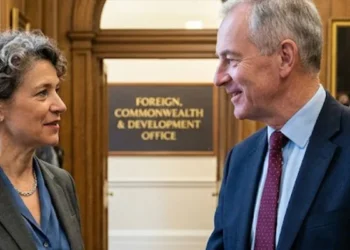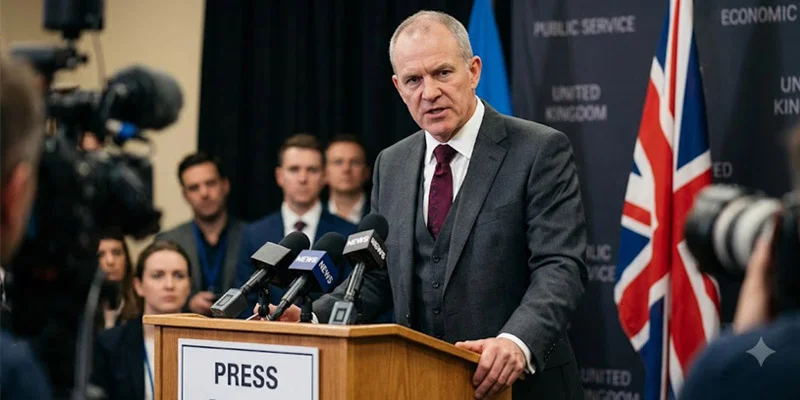
NEW DELHI: British Prime Minister Andy Burnham has said that he is ready to take the difficult decisions required to ensure the UK economy remains on track, after data on September 16 showed a rise in inflation, reported Reuters.
and as speculation mounts about what that means for an October 28 budget.
Britain is seen as more vulnerable to surging oil prices from the war in the Middle East than other countries, and the inflation pickup adds to the headache for finance minister John Healey whose budget options are limited by the weak state of the public finances and rising borrowing costs.
The PM said the acceleration in inflation to 3.1 per cent in August, a fivemonth high, was “a concern”, but his Government would take action to help people while also applying prudence to the running of the economy.
“We will take difficult decisions to make sure the economy remains on track,” he told reporters.
The underlying picture from the latest data was one of “resilience” in the economy, he added.
The British Government borrowing costs hit their highest levels in decades this week as bond yields climbed globally on the back of worries about higher inflation due to the escalating conflict in the Gulf.
On September 15, the 30-year gilt yield touched its highest level since 1998, while on September 14 the 10- year yield rose to its highest since 2007.
Burnham’s insistence that he is ready to make tough choices to balance the books comes after criticism from former Bank of England official Andy Haldane, reported to have been an adviser to Burnham in June before he became Prime Minister.
“The market now suspects that this is a traditional tax-and-spend socialist government with better TikTok videos,” Haldane told LBC.
Burnham rejected that characterisation. “We are not that already. I have taken difficult decisions in this job,” he said. “It’s not the case that we aren’t going to take difficult decisions.”
According to BBC, Haldane said the Prime Minister was facing a “straight choice” between raising taxes and cutting spending at the yearly spending statement due on October 28.