Iran and Oman have agreed on the geographical coordinates of a proposed safe shipping route for commercial vessels in the Strait of Hormuz, Iranian Foreign Ministry spokesperson Esmaeil Baghaei said on July 5.
Baghaei described the negotiations as “professional” and “progressing,” adding that a joint statement setting out the main points of agreement is being reviewed and finalized.
Baghaei said the bilateral talks with Oman are focused on “establishing safe inbound and outbound shipping lanes,” routes that “uphold sovereign rights while also addressing the national security considerations of both Iran and Oman.”
But the agreement is likely to be contingent on the US lifting its blockade on Iran’s ports. The US administration previously ruled out any deal that would cement Iran’s grip over the strait, which would amount to a major loss for the US and a break with global norms.
Iran has insisted on some measure of control over the strait, saying it will not go back to being an open international waterway, as it was before the war. The proposed deal would give Tehran control over ships entering the Gulf through the Strait of Hormuz, a senior Iranian source and two regional officials told Reuters, in one of the biggest concessions yet to Iran.
Under the emerging agreement, ships would enter the Persian Gulf through an Iraniancontrolled route and exit through a route controlled by Oman, with service fees charged for providing security
Baghaei added that, if some third parties do not obstruct the process, the joint statement between the two countries, containing the main considerations and key points of understanding, would go through the final stages of review and drafting. Under the emerging agreement, ships would enter the Persian Gulf through an Iranian-controlled route and exit through a route controlled by Oman, with service fees charged for providing security and preserving the maritime environment, two regional officials told The Associated Press.
Any agreement formalizing Iran’s control of the strait would mark a significant strategic victory for Tehran. For that reason, the US could seek to block the deal by refusing to lift the blockade. The strait was an open international waterway before the US and Israel attacked Iran on February 28.
Trump under pressure
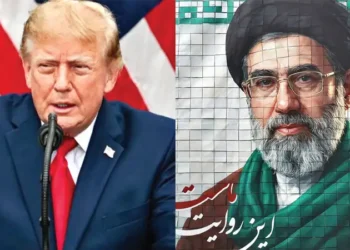
US President Donald Trump is under mounting pressure to end an unpopular war that has driven up gas prices ahead of midterm elections and drawn down US supplies of some munitions. In recent days, he has again whipsawed between threatening massive strikes and voicing support for diplomatic efforts.
In an exchange with reporters on August 3, Trump reiterated his public stance that he’s opposed to tolling in the strait. “I’m not going to let them charge,” Trump said. “Anybody’s going to charge, we’ll charge.”
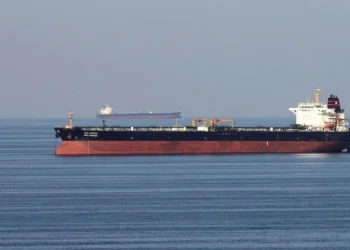
A fifth of the world’s traded oil and gas transited the waterway before the war. Iranian attacks on ships have largely shut it down, causing a spike in the price of fuel, fertilizer and other goods, and rattling economies far beyond the Middle East.
Saudi tanker attacked
Yemen’s Iran-aligned Houthis said on August 6 they had launched a missile attack on a Saudi oil tanker off the coast of the kingdom’s Red Sea port city of Yanbu and another missile attack on a Saudi oil tanker in the Gulf of Aden.
In a statement posted on social media platform X, Houthi military spokesperson Yahya Sarea said the tanker, identified as “Daisy,” was hit by a ballistic missile and “forced to turn back.”
The Houthis have imposed a naval blockade on Saudi Arabia in the Red Sea since last month in response to what they described as a Saudi siege on Yemen, an allegation Riyadh has denied.