Blitz Bureau
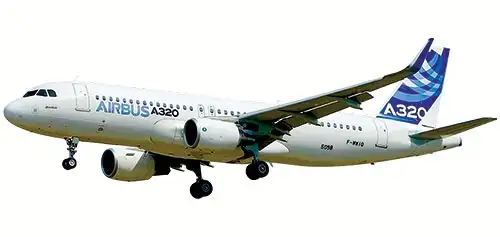
NEW DELHI: Airbus has cut its 2025 delivery target to around 790 commercial aircraft, 30 fewer than previously expected, but maintained financial goals following a quality issue with fuselage panels on its popular A320 family of jets, according to a Reuters report.
Reuters first reported the industrial quality problem on December 1, on the heels of an emergency recall of thousands of A320s for a software change over the weekend.
Analysts said the downgrade clears the air following a turbulent week for the world’s largest plane maker, which comes just two months after the A320 overtook the Boeing 737 as the most-delivered model in history.
“The 30 aircraft removed from the delivery guide this year are not all expected to require a parts change,” analysts from Jefferies said in a note to investors. They highlighted the fact there was no mention of engines causing added delays in the December 3 statement.
Engine supplies have been under scrutiny as plane makers look to increase production of new jets while airlines compete with assembly lines for supplies to address long engine repair times.
Airbus engineers have found defects on a wider set of A320 fuselage panels as they prepare to inspect hundreds of jets, a presentation to airlines seen by Reuters showed. A total of 628 planes are due to be inspected but Airbus has said only a portion of these will need further action.
The affected parts have the wrong thickness following a process of stretching and milling carried out by Seville-based Sofitec Aero, which did not respond to requests for comment.
Airbus CEO Guillaume Faury said on December 2 that the fuselage panel problem had also hit deliveries in November and told Reuters a decision on December deliveries would be taken within hours or days.
The company is due to publish November data soon. Industry sources told Reuters that it delivered 72 aircraft that month, lower than expected.
Airbus said its financial goals for the year were unchanged. It targets adjusted operating income around 7.0 billion euros ($8.2 billion) and free cash flow around 4.5 billion euros.
Analysts said the decision to hold the financial targets despite lower deliveries suggests that the company had been heading for a beat against forecasts for the full year.
Citi analysts estimated the lower deliveries would have been expected to lead to a profit hit of 400 million to 450 million euros and 600 million euros lower cash.