Blitz Bureau
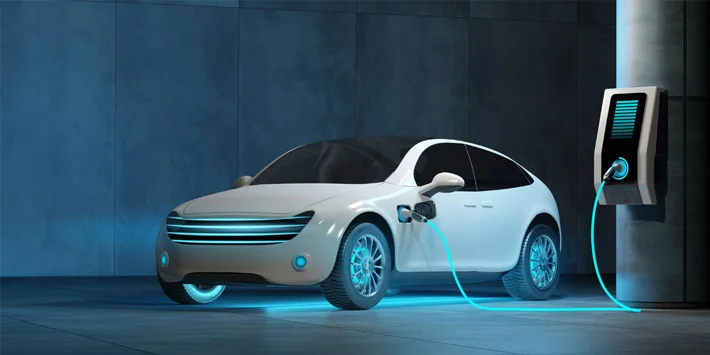
NEW DELHI: India’s electric vehicle market recorded its strongest month on record in June, with retail sales of 306,220 units — a 62.7% increase over the 188,773 units sold in June 2025. The more consequential number is the share: for the first time, electric vehicles accounted for more than 12% of all vehicle retails in the country. A market crosses several thresholds on its way to maturity, and one in eight is the point at which a technology stops being an enthusiast’s choice and starts being a default option on a showroom floor.
The growth is broad rather than concentrated in one segment. Electric car and SUV retails in the first half of calendar 2026 reached 148,032 units, up 79% year on year, and are on course to cross 300,000 units for the full year. The commercial side moved even faster in percentage terms: electric commercial vehicles posted their best month with 3,214 units in June, up 33.9% over May and 163.7% over June 2025. Overall automotive retail sales have grown about 28.6% in July so far, suggesting the momentum has carried into the current month.
Past twelve per cent: EV retails reached a record 306,220 units in June, above 12% of all vehicle retails for the first time. Electric commercial vehicles posted their best month at 3,214 units.
Oil made this argument more persuasively than any subsidy did. When the barrel goes to a hundred dollars, the electric scooter stops being a statement and becomes arithmetic.
At a Glance
• June EV retails: 306,220 units, up 62.7% year on year
• Share: above 12% of total vehicle retails for the first time
• Cars & SUVs: 148,032 units in H1 CY2026, up 79%
• Commercial EVs: record 3,214 units in June, up 163.7% year on year
Part of the surge is a response to circumstances rather than a settled preference. Volatile crude prices — sharpened by tensions in West Asia that pushed Brent above $100 a barrel this month — changed the running-cost calculation for millions of two-wheeler and small-fleet buyers almost overnight. Softer interest rates, improved affordability and a wider range of recent launches did the rest. A market grown partly on fuel anxiety must still prove it can hold its share when petrol prices are calm, and that is the fair test to hold it to.
The way forward is to convert a favourable moment into durable infrastructure. Charging density outside the metros remains the binding constraint, as does the reliability of the grid the chargers draw on; battery supply chains still depend heavily on imported cells and critical minerals; and resale values need the confidence that only a mature service and warranty ecosystem provides. Each of these is being addressed, and each rewards steady work more than announcements. India has already done the difficult part — it has convinced the buyer. The remaining task is to make sure the country’s roads, workshops and wires are ready for the eighth vehicle in every ten.