
Blitz Bureau
Nearly 70 per cent of India’s research publications come from just five states, three of which, including Karnataka, are south of the Vindhyas, according to a new NITI Aayog scoreboard that has flagged gaps in scientific research across states, reports Deccan Herald.
Of the over 223,000 research papers published in 2024-25, Tamil Nadu topped the list with 44,611 publications, followed by Uttar Pradesh (29,298), Maharashtra (28,947), Karnataka (27,970) and Delhi (24,417). When it comes to the number of patent applications filed, Telangana replaces Delhi in the top five. Once again, Tamil Nadu tops the list with 16,048 patent applications, followed by Maharashtra (8,567), Karnataka (8,413), Uttar Pradesh (5,375) and Telangana (5,200). Publications and patents are the two most prominent indicators of progress in the science and technology (S&T) landscape.
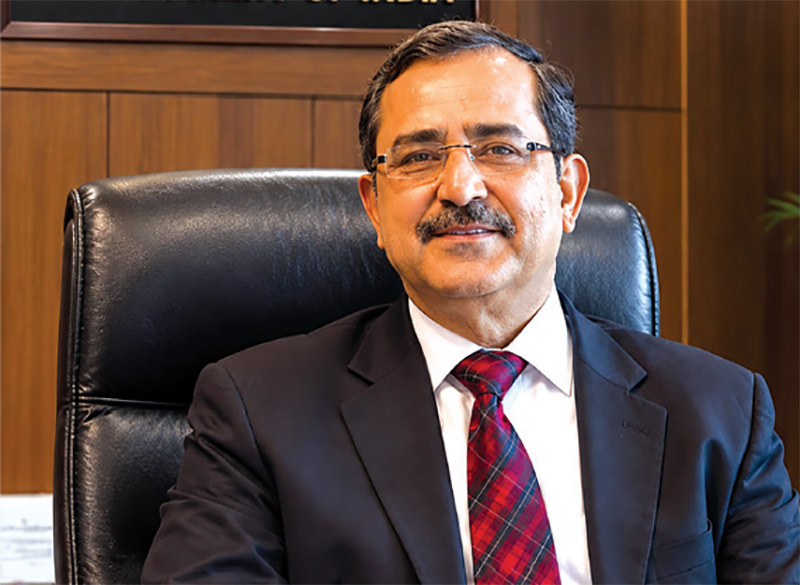
“States need to play a more committed and proactive role in science research. The scoreboard will help states identify their strengths and gaps, learn from one another, and design better programmes and policies in science and technology,” Ashok Lahiri, Vice Chairman of NITI Aayog, said in New Delhi recently after releasing the report. The next five states in the list of publications are West Bengal, Punjab, Telangana, Uttarakhand and Gujarat. In the patent application category, the next five states are Andhra Pradesh, Punjab, Gujarat, Delhi and Rajasthan.
Abhay Karandikar, Member (S&T) of NITI Aayog, said close to 67 per cent of publications come from central institutions such as the Indian Institutes of Technology (IITs) and laboratories under the Council of Scientific and Industrial Research (CSIR), but 5 per cent of students study at these institutions. “Ninety five per cent of students are enrolled in state universities,” he said.
Between 2001 and 2020, IITs contributed nearly 16 per cent of research publications, while CSIR and central universities accounted for more than 10 per cent of papers each. Institutions under the Department of Atomic Energy contributed another 8 per cent.
The S&T ecosystem covered by the scorecard comprises 1,260 higher education institutions, 356 Centrally funded research laboratories, 38,553 deep-tech start-ups, 7,246 Atal Tinkering Labs and 390 incubators spread across the country.
The scoreboard comes in the wake of another key NITI Aayog report published earlier this year, which showed that India’s gross expenditure on research and development stands at roughly 0.6 per cent to 0.7 per cent of GDP, trailing global innovation leaders such as the US, China and South Korea.
Other problem areas in the S&T ecosystem include excessive compliance requirements and bureaucracy, which force researchers to spend significant time navigating red tape and rigid financial rules. Slow administrative clearances, rigid procurement processes, fragmented governance and low grant approval rates are also among the challenges.