Blitz Bureau
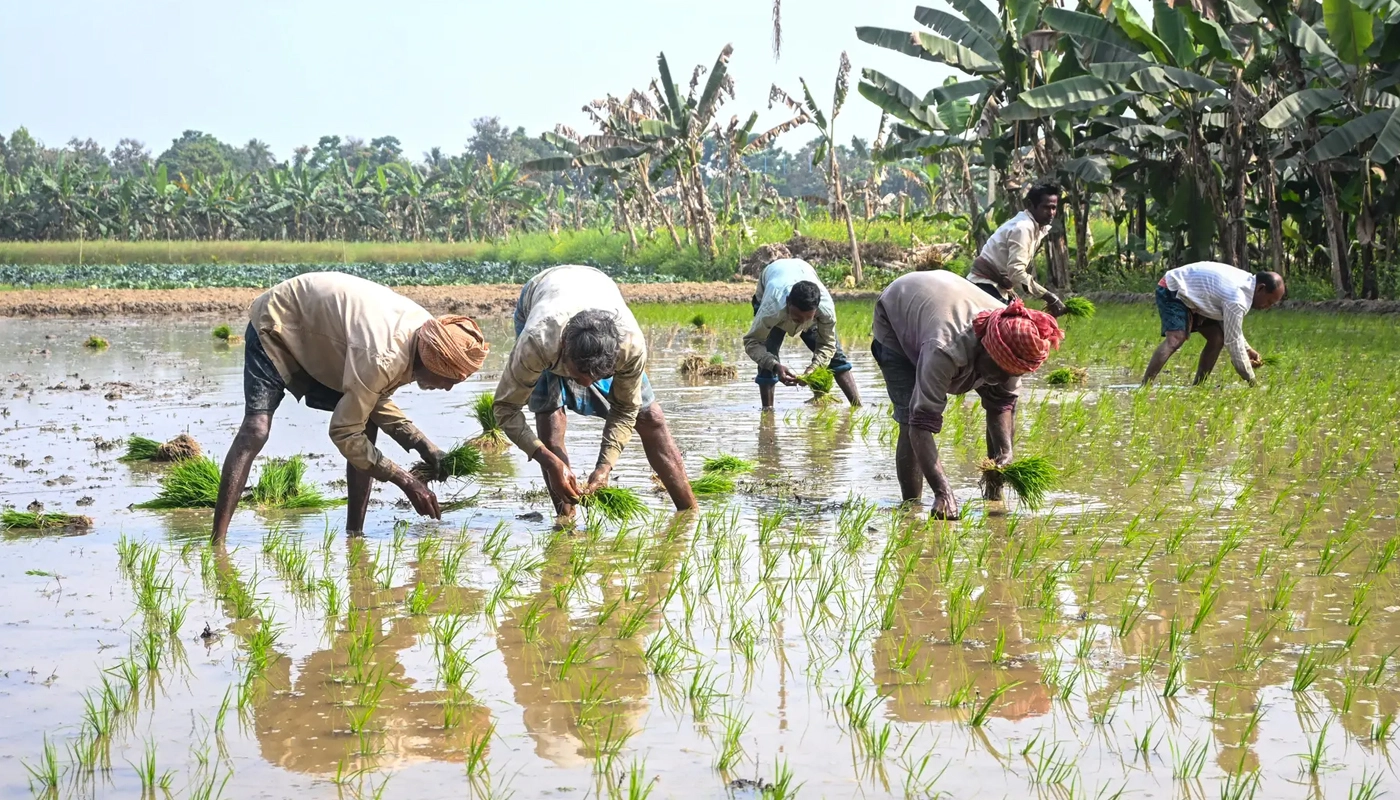
The skies are the story this fortnight. The India Meteorological Department expects July rainfall to stay below 94% of the long-period average — and with July the peak window for sowing rice, soybean, cotton and pulses, the timing matters. Early kharif planting has run behind last year’s pace after a dry June.
The gap is real: by late June, the area sown to kharif crops stood at about 18.3 million hectares, down roughly 23% from the same point a year earlier. The distribution of rain is uneven too — parts of the northwest, northeast, east-central India and the eastern peninsula may see normal or better rain, while much of central, western and peninsular India stays drier, with above-normal temperatures forecast.
A slow start to sowing is a call to act, not to worry — irrigation, stored grain and quick advisories can still make the season a good one.
At a Glance
- July outlook: Below 94% of the long-period average
- Sowing: ~18.3m ha by late June, down ~23% year-on-year
- Spread: Uneven; above-normal temperatures forecast
- Cushion: Ample buffer stocks; wider irrigation and resilient crops
The steadying factor is preparedness. Wider irrigation cover, better practices and years of climate-resilience investment have made the rural economy far less sensitive to a patchy month than in the past, while comfortable foodgrain stocks provide a backstop for both prices and supply.
The playbook is well understood, and delivered well over the coming weeks, a slow start need not become a weak harvest. Real-time IMD advisories, assured irrigation, a push toward less thirsty climate-resilient varieties and timely seed for the districts that need them most can keep the peak sowing window productive — and the rural economy steady while the monsoon finds its rhythm.