Blitz Bureau
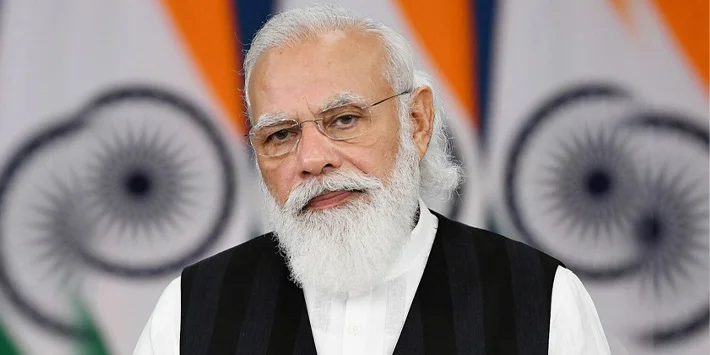
Prime Minister Narendra Modi is in Melbourne for the Australia–India Annual Leaders’ Summit, the pivotal middle leg of a three-nation Indo-Pacific tour. Hosted by Prime Minister Anthony Albanese from July 8 to 10, the two leaders are working to convert years of groundwork into working agreements — on civil-nuclear fuel, critical minerals, clean energy, green hydrogen, cybersecurity and resilient supply chains.
The centrepiece is uranium. Officials on both sides say the safeguards and technical questions that long held back commercial supply have been substantially resolved, opening a path to operationalise the civil-nuclear framework first agreed in 2014. Australia holds close to a third of the world’s known uranium reserves, and dependable access would diversify the fuel supply for India’s expanding nuclear fleet as it builds toward its clean-power goals.
Uranium for reactors and lithium for batteries: a single summit lining up the raw materials on which both India’s clean-power and EV ambitions will run.
At a Glance
- Summit: Australia–India Annual Leaders’ Summit, Melbourne (Jul 8–10)
- Uranium: Safeguards resolved; commercial supply agreement in view
- Minerals: Lithium, cobalt supply chains for India’s EV and battery sectors
- Tour: Indonesia → Australia → New Zealand (FTA talks in Wellington)
Beyond fuel, the agenda is deliberately industrial. The two governments are deepening cooperation on critical minerals — lithium and cobalt among them — that feed India’s fast-growing electric-vehicle and battery chains, alongside clean energy, green hydrogen, low-carbon aluminium, cybersecurity and defence-industrial ties spanning maritime awareness, drones and autonomous systems. The visit follows a substantive Jakarta leg, where India and Indonesia exchanged more than a dozen agreements and sealed a landmark BrahMos missile deal, and precedes a stop in New Zealand where the two sides aim to advance a free-trade agreement.
The constructive test, as ever, is delivery: turning a uranium understanding into shipments, and mineral memoranda into joint ventures and jobs. Anchored in India’s Act East policy and its maritime-neighbourhood vision, the Melbourne meeting positions Canberra and New Delhi as dependable partners — and the task now is to translate a warm summit into durable arrangements that outlast the week, before the Prime Minister travels on to Wellington.