Blitz Bureau
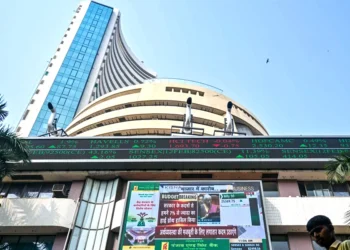
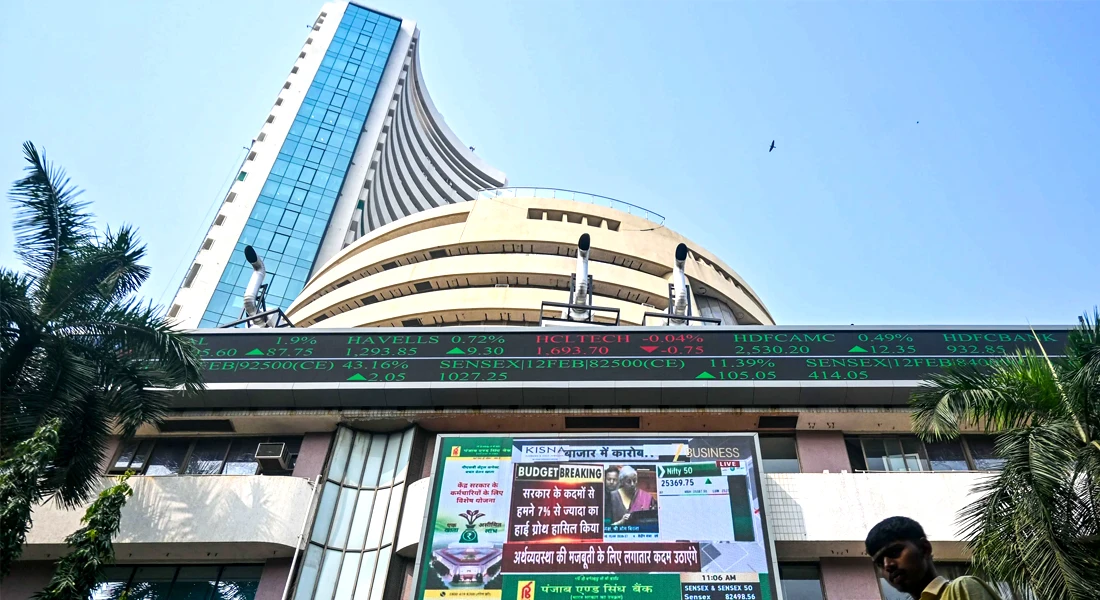
NEW DELHI: India’s markets begin Thursday reading the same three signals that have set the mood all week. The benchmark indices closed Wednesday lower for a third straight session — the Sensex at 76,755 (down about 715 points, 0.92%) and the Nifty 50 at 23,996 (down roughly 191 points, 0.79%), slipping just under the 24,000 mark — as firmer crude oil on West Asia tension weighed on public-sector banks and property stocks. It was a measured pullback, not a scramble, and the day ahead brings a fresh test.
Two of the clocks are external: the price of oil, which feeds straight into the sums of a large crude importer, and the July 24 US tariff deadline that keeps a geopolitical premium in the tape. The third is closer to home — Infosys, the IT bellwether, reports its June-quarter results today, and the sector’s full-year guidance will double as a read on global technology spending. The macro backdrop is deliberately cautious: at its June review the Reserve Bank held the repo rate at 5.25%, trimmed its FY27 growth forecast to 6.6% and lifted its inflation projection to 5.1%, citing energy prices and monsoon risk.
A market reading the news: The Sensex ended Wednesday near 76,755 and the Nifty around 23,996, easing for a third session as firm crude and the July 24 tariff clock kept sentiment cautious — with Infosys’s results due today.
A market that steps back on real news — oil, a deadline, an earnings print — is doing its job. The tell is whether it eases with discipline or falls in panic.
At a Glance
• Sensex: ~76,755, down ~715 (0.92%) at Wednesday’s close — a third session lower
• Nifty 50: ~23,996, down ~191 (0.79%), just below 24,000
• Today: Infosys reports Q1 results; the US tariff deadline falls tomorrow
• RBI (June): repo held at 5.25%; FY27 growth seen at 6.6%, inflation at 5.1%
For an ordinary saver watching the headlines, the useful thing is perspective. Index levels move every day; the deeper story of the Indian market this year has been resilience — a broad earnings base, an economy still growing among the fastest of the majors, and a deepening pool of domestic investors who steady the market when global winds blow. A soft patch built around an oil scare and a trade deadline is the sort of weather long-term investors have learned to sit through rather than react to.
The constructive read is that India’s fundamentals remain sturdy even as the RBI, sensibly, keeps one eye on risk. The way forward, once this week’s crude scare and tariff clock resolve, is for earnings and guidance — not headlines — to set the market’s direction. Levels rise and fall; the discipline of reading fundamentals over noise is what compounds over time.