Blitz Bureau
NEW DELHI: A trade agreement is signed in a room and tested in a warehouse. The India–UK Comprehensive Economic and Trade Agreement, concluded in July 2025, came into force on July 15, 2026 — and the fortnight since is the first time its terms have met an actual container. Under the pact, about 99% of Indian goods entering the United Kingdom become duty-free or face reduced tariffs, and roughly 90% of British goods gain the same treatment entering India. The headline ambition is to lift bilateral trade from around $58 billion in 2025-26 to about $115 billion by 2030.
The distribution of the gain is what makes this different from most trade headlines. The sectors that benefit most on the Indian side are the labour-intensive ones — garments, textiles, footwear, carpets, processed food, engineering goods — industries where a tariff line is not an abstraction but the difference between an order won and an order lost. Indian estimates put the employment effect at seven to ten lakh new opportunities. From the British side, the UK government expects tariff reductions on its exports to India worth up to £400 million a year at entry into force, rising towards £900 million after a decade, with Scotch whisky, automobiles and machinery among the visible winners.
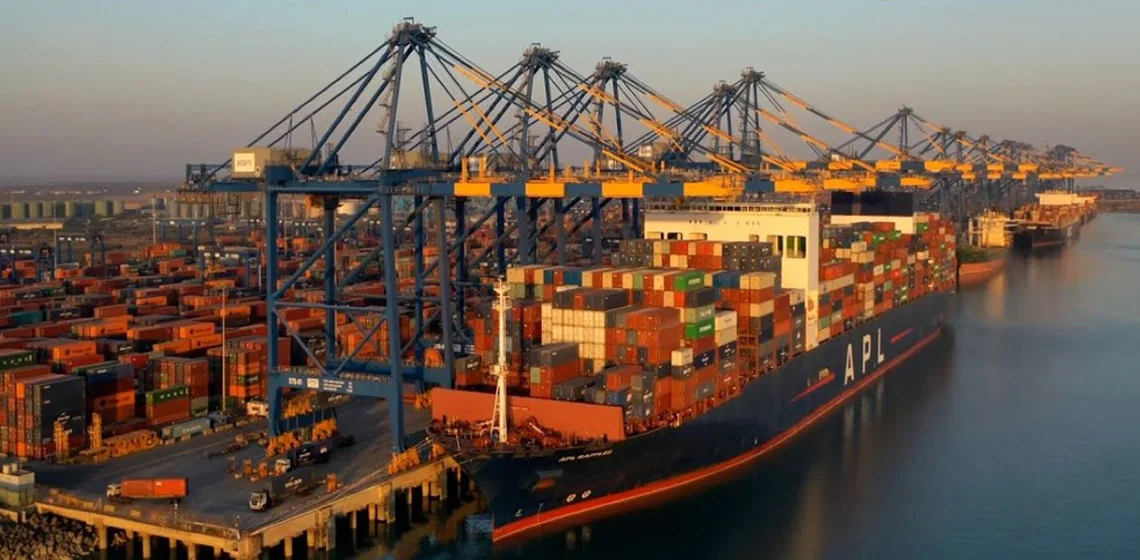
Tariffs off, paperwork on: With CETA in force since July 15, about 99% of Indian exports enter the UK duty-free or at reduced tariffs. The gains now depend on how quickly exporters master rules of origin and certification.
The tariff line is the easy part. The hard part is a small exporter in Tiruppur learning the certificate that turns a concession on paper into money in a bank account.
At a Glance
• In force: July 15, 2026 (signed July 2025)
• Coverage: ~99% of Indian exports to the UK duty-free or reduced; ~90% of UK goods into India
• Ambition: bilateral trade from ~$58bn (2025-26) towards ~$115bn by 2030
• Jobs: 7–10 lakh new opportunities estimated; £400m–£900m annual UK tariff savings
The honest challenge lies downstream of the signature. Duty-free access is a permission, not a sale. To use it, an Indian exporter must satisfy rules of origin, obtain the right certification, meet British standards on labelling and safety, and often redesign a product for a market with different expectations. Large firms have compliance departments for this. The garment unit in Tiruppur, the leather workshop in Kanpur and the food processor in Nashik — the very enterprises the agreement is meant to lift — frequently do not. There is a real risk that a concession designed for small industry is captured by the firms that were already exporting.
That is a solvable problem, and it is where the next few months of effort should go. Export promotion councils, state trade bodies and industry associations can turn CETA into practical guidance: plain-language rules-of-origin manuals, shared testing and certification facilities, digital filing that removes intermediaries, and trade-finance products sized for a first-time exporter. India has done versions of this before with electronics and pharmaceuticals, and the results were visible in the trade data within a few years. If the same effort reaches the labour-intensive clusters now, this agreement will not merely raise a trade number. It will put wages into towns that trade policy usually discusses and rarely reaches.