Blitz Bureau
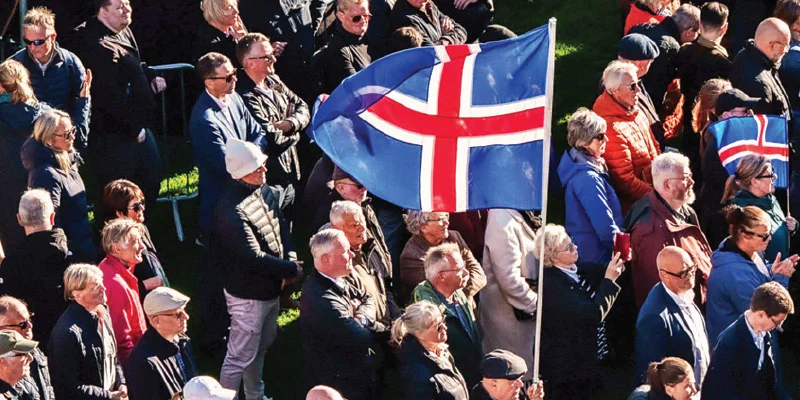
NEW DELHI: Icelanders voted against resuming negotiations on joining the European Union, the country’s national broadcaster reported on August 30, after an unusually divisive debate.
The “no” side received 52.8 per cent of the vote, the broadcaster, RUV, said. Icelandic officials were expected to announce the official results later in the day.
RUV reported that more than 225,000 people in this Nordic nation of 400,000, or some 82.5 per cent of eligible voters, cast ballots in the referendum on Saturday. RUV said it was the highest voter turnout in any Icelandic election since 2009.
The decision was a setback for the 27-member European Union, which has been pitching itself as a progressive and pragmatic alliance in an increasingly uncertain world. If Iceland had eventually become a member state, the bloc would have been able to expand its presence in the Arctic and bring in a wealthy nation.
Previous talks about Iceland joining the European Union were put on ice in 2013.
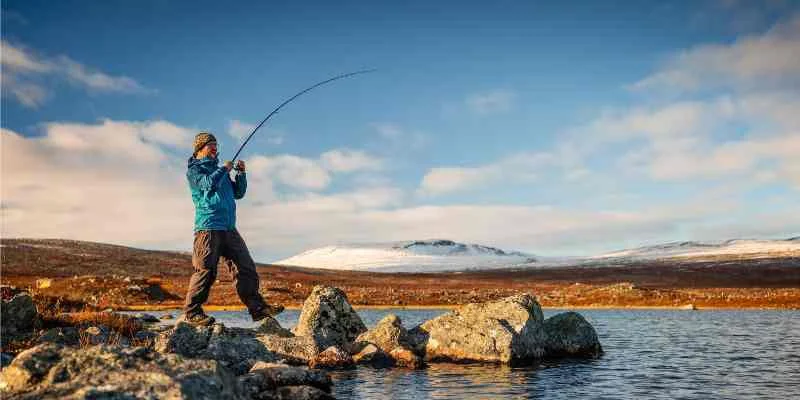
Many complex issues for Icelanders were at play. In interviews before the referendum, many people who planned to vote “no” said they were worried that joining the bloc could threaten the country’s control of its valuable fishing industry, as well as its sovereignty on other issues.
Some people who planned to vote “yes” said they were worried about Iceland’s economy in general and wanted to see what the negotiations would bring.
High inflation
Inflation is high. So are interest rates. The country suffered years of economic hardship after the global financial crisis in the late 2000s. Some said that joining one of the world’s largest economies — and potentially adopting its currency, the euro — could be a savvy move for long-term stability. Other potential “yes” voters saw the bloc as a stabilizing protector.
Iceland belongs to NATO but is the only member without its own military.
Cod wars
Iceland became independent in 1944. From the late 1950s to the mid-1970s, it fended off the British in a series of disputes, known as the Cod Wars, and unilaterally extended its exclusive economic zone off its shores to 200 miles from 12.
They were a series of three non-full-scale, economic conflicts between Iceland and the United Kingdom (with some support from West Germany) fought between 1958 and 1976 over lucrative North Atlantic fishing rights.
Iceland spent the rest of the 20th century turning its poor, agrarian society into a well-educated and progressive tourism powerhouse.
Much of that prosperity came from Iceland’s fishing industry, which is still a major part of its economy.
Many who voted against joining the EU are not in their interest. Iceland’s economic interests align poorly with those of bigger countries in mainland Europe, said a voter to New York Times.