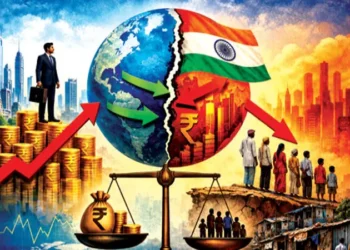
NEW DELHI: For decades, welfare distribution in developing nations suffered from systemic leakage, administrative corruption, and high friction costs. Middlemen routinely clipped tickets, and intended beneficiaries often received only a fraction of state support. But things are now changing due to digital public infrastructure. Here’s how:
JAM trinity revolution: The integration of Jan Dhan bank accounts, Aadhaar digital identity, and Mobile connectivity (JAM) created a frictionless pipeline for direct benefit transfers (DBT). Subsidies, pensions, and relief funds now flow straight into verified individual accounts.
Targeted resilience: By leveraging real-time data analytics, state safety nets can dynamically scale during economic shocks or climate emergencies, providing immediate liquidity buffers to vulnerable households without administrative delays.
Expanding safety floor: National progress reports underscore a massive expansion in social protection coverage, safeguarding over 65 per cent of the population through food security, health insurance, and cash transfers.
This digital infrastructure has transformed welfare from a leaky, paternalistic apparatus into a transparent, rights-based safety floor that protects marginalised citizens against sudden economic displacement.