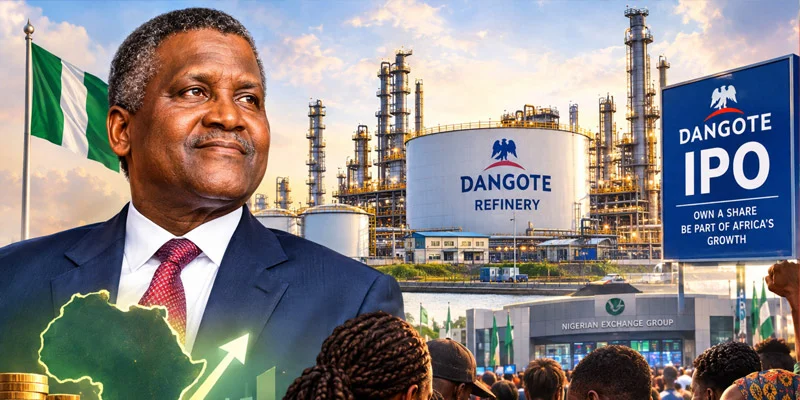
NEW DELHI: Nigerian industrialist Aliko Dangote opened his refinery to public ownership on September 14 with plans to raise $1.6 billion from retail investors across the continent in Africa’s biggest initial public offering, or IPO, according to an AP report.
Dangote, Africa’s richest man, dubbed the IPO one “for the people” and said he wants everyone to be able to own a share. Retail investors can buy a 10-share bundle in the sprawling Lagos-based refinery for 5,250 naira ($4), the minimum investment. Dangote retains 87 per cent ownership of the refinery, Africa’s largest.
The refinery’s scale and potential returns, especially at a time when global oil prices have risen following the US-Iran war, have generated excitement among retail investors.
“We are all going to fully share all our prosperity with the people and that is why we call it the people’s IPO,” Dangote said at the launch at the Nigerian Exchange Group in Lagos, flanked by the refinery’s officials and associates.
Dangote, Africa’s richest man, dubbed the IPO one “for the people” and said he wants everyone to be able to own a share. Retail investors can buy a 10-share bundle in the sprawling Lagos-based refinery for 5,250 naira ($4), the minimum investment. Dangote retains 87 per cent ownership of the refinery, Africa’s largest.
Although the refinery stock won’t be publicly listed in Nigeria until November, its IPO launch resulted in heavy traffic on some of the country’s digital investment platforms, with at least two knocked offline briefly.
Nigeria has relied for many decades on foreign refining of its oil due to decrepit state-run refineries, many of which operate below capacity or have remained stagnant for years due to poor maintenance.
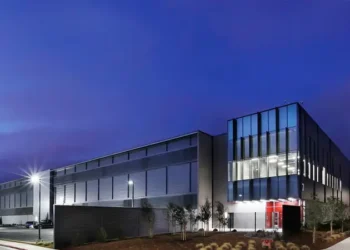
But when the $19 billion refinery began production in 2024, it transformed the energy-rich country of more than 210 million people from an importer of refined oil into an exporter.
Valuation questions
The IPO has raised questions about Dangote retaining significant ownership and the refinery’s purported valuation after the offering. At $49 billion, the valuation is more than twice what it cost to build it.
“It is not something someone can classify as people-driven if you still own 87 per cent of the refinery and there are many ways that narrative breaks down,” Joachim McEbong, a senior West Africa analyst at Control Risks, said.