


UN climate summit COP31 failed to produce a political agreement, reviving uncomfortable memories of the 2009 Copenhagen conference.
The summit – held in Antalya, Turkiye, from November 9 to 22 – exposed once again the deep and abiding divisions between industrialised nations, emerging economies and fossil-fuel producers.
Seventeen years after Copenhagen, the world remains divided over who should bear the cost of tackling climate change and the attendant impact on humanity. The summit ended without consensus on an overarching political declaration after negotiations ran beyond the scheduled closing date of November 20. The principal stumbling block was a proposed commitment to move away from coal, oil and natural gas.
Competing positions
The implications extend beyond diplomatic embarrassment. Global warming threatens agriculture and farm livelihood, water security, public health and, in turn, economic stability. Floods, droughts and extreme heat will disproportionately hurt poorer countries, but global supply chains and food markets will also suffer.
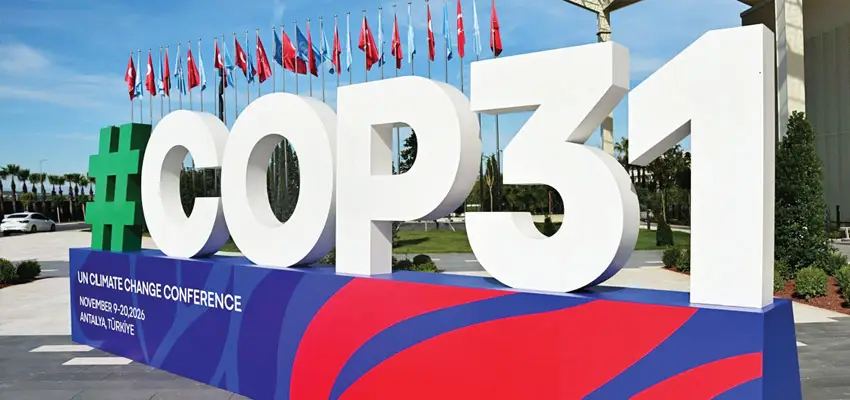
The summit brought together representatives of nearly 200 countries, alongside international organisations, businesses and civil society groups. Turkish Environment Minister Murat Kurum presided over the conference, with Australia’s Climate Change Minister Chris Bowen leading the negotiations.
The confrontation centred on two competing positions. The European Union, several small island states, Latin American countries and other climate-vulnerable nations wanted an explicit commitment to transition away from fossil fuels, building on the language agreed at COP28 in Dubai. Around 130 countries supported stronger language.
Saudi Arabia and other oil-producing countries resisted commitments that could constrain fossil-fuel production and consumption. Russia also opposed explicit references to fossil fuels, favouring technologies such as carbon capture and storage instead.
The final draft dropped the proposed reference to fossil fuels while retaining language supporting carbon capture. The European Union refused to endorse it. Panama, the Marshall Islands, Belize, Norway and Vanuatu also rejected the text, while Britain, Japan and South Korea questioned whether consensus had been achieved.
Climate finance was another major issue. Developing countries argued that wealthy nations, responsible for a disproportionate share of historical emissions, must provide predictable funding for adaptation, disaster preparedness and cleaner energy. Poorer economies maintained that demanding ambitious emission cuts without adequate financial support would unfairly restrict their development.