

Blitz Bureau
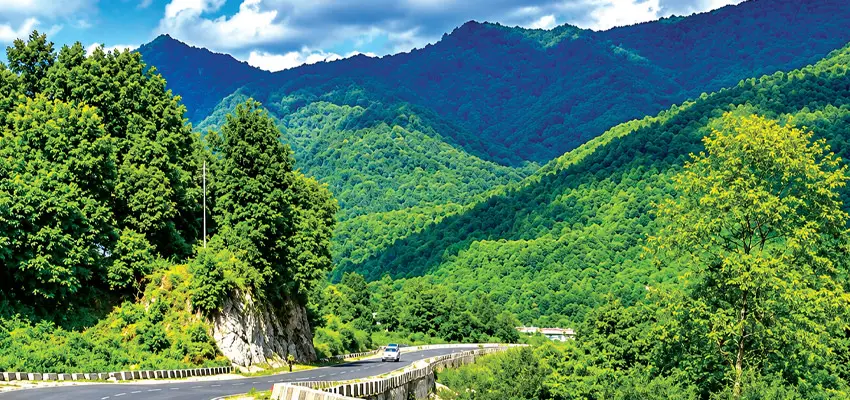
Stretching across 83,743 square kilometres in the country’s far north-east, Arunachal Pradesh is the largest state in the Seven Sisters region by area, yet one of the most sparsely populated, with just 17 persons per square kilometre.
For decades, formidable mountainous terrain, seasonal isolation, and infrastructural deficits constrained the state’s economic integration with the rest of the country. Since 2014, however, sustained strategic investments in all-weather connectivity, clean energy generation, and grassroots social delivery have propelled the ‘land of the dawn-lit mountains’ onto a distinct developmental curve.
Economic trajectory
Over the past decade, Arunachal Pradesh has transformed from a predominantly subsistence-driven frontier economy into one of India’s fastest-growing sub-national units in per capita terms.
Between 2012-13 and 2021-22, the state’s real GSDP expanded at an average annual pace of 6.2 per cent, outstripping the national growth average of 5.6 per cent. Momentum accelerated further in the mid-2020s, with real GSDP growth hitting an estimated 10 per cent in 2025-26 and nominal GSDP projected at Rs 41,341 crore for 2026-27.
A standout feature of this trajectory is the state’s high per capita income, estimated at Rs 3,09,994 in 2025-26 – roughly 23 per cent above the all-India benchmark of Rs 2,51,393. Driven by a low population base, substantial Central capital outlays, and a rapidly expanding services sector (now accounting for 52 per cent of gross value added), household purchasing power in urban centers like Itanagar, Pasighat, and Namsai has risen markedly.
SDG benchmarks
In Niti Aayog’s SDG India Index framework, Arunachal Pradesh achieved a major milestone by breaking into the ‘Front Runner’ category with a composite score of 65. Its strongest gains have come from saturation-level delivery of basic infrastructure and ecological stewardship:
SDG 7 (affordable & clean energy) & SDG 6 (clean water & sanitation): Near-universal household electrification under the Saubhagya scheme, high rural sanitation coverage (over 82 per cent access), and rapid expansion of piped drinking water under the Jal Jeevan Mission have dramatically improved living standards across remote valleys.
SDG 13 (climate action) & SDG 15 (life on land): With nearly 80 per cent of its landmass under forest cover, Arunachal Pradesh serves as the country’s premier ecological buffer and biodiversity hotspot.
Gender participation: Unlike several northern states, Arunachal Pradesh boasts a strong Female Labour Force Participation Rate of 58.7 per cent – well above the national average.
Despite these strides, human capital indicators reveal persistent structural hurdles. General literacy stands at 65.4 per cent against the national average of 73 per cent, and secondary-level school dropout rates remain elevated due to long travel distances in hilly districts.
Niti Aayog’s North Eastern Region District SDG Index also highlights sharp intra-state disparities – while districts like Lower Dibang Valley (73.36) perform well into the Front Runner tier, border districts such as Longding (58.71) require targeted administrative intervention.
Industrial transformation
The single greatest catalyst of Arunachal Pradesh’s post-2014 transformation has been physical connectivity. Flagship projects – including the Trans-Arunachal Highway, the strategic Sela Tunnel providing all-weather access to Tawang, the Donyi Polo Airport at Hollongi, and new railway links to Naharlagun – have dismantled decades of geographic isolation.
Simultaneously, the state is operationalising its massive hydroelectric potential, estimated to be over 50,000 mw – roughly one-third of India’s total hydro capacity. Through joint ventures with Central Public Sector Enterprises (CPSEs), mega-projects along the Subansiri, Dibang, and Siang river basins are positioning Arunachal Pradesh to become the clean-energy powerhouse of South Asia.
Beyond mega-infrastructure, local enterprise is shifting toward high-value horticulture, organic spices, and agro-processing. Arunachal Pradesh has emerged as India’s largest producer of kiwi and a leading supplier of large cardamom, mandarin oranges, ginger, and organic tea.
The road ahead
Arunachal Pradesh’s primary fiscal challenge lies in its heavy reliance on Central tax devolution and grants, which account for over 80 per cent of its revenue receipts. Balancing large-scale infrastructure and hydropower execution with fragile Himalayan ecology – and creating private-sector jobs for an increasingly educated youth demographic – will define the state’s next decade.
If it is able to translate its connectivity boom into sustainable tourism, green energy royalties, and agro-exports, Arunachal Pradesh stands poised to lead India’s Act East growth frontier.
ATTN KAUSHAL: THE FOLLOWING CAN BE IGNORED LIKE LAST TIME
| Indicator | Arunachal Pradesh Value | National / Benchmark Comparison |
|---|---|---|
| NITI Aayog SDG Index Tier / Score | Front Runner Tier (Score: 65 /100) | National Average Score: 71 |
| Gross State Domestic Product (GSDP) | ₹41,341 crore (2026-27 BE, current prices) | Real Growth Rate: 10.0% (2025–26 Est.) |
| Per Capita Income (PCI) | ₹3,09,994 (2025-26 est., current prices) | All-India PCI: ₹2,51,393 (2025–26 Est.) |
| Literacy Rate | 65.4% (Census baseline) | National Average: 73.0% |
| Sectoral GVA Share | Agriculture: 27% | Industry: 21% | Services: 52% | Services & hydro-led public capital expansion |
| Geographical & Forest Profile | 83,743 sq. km (population density: 17/sq. km) | 79.33% forest cover (highest carbon sink in India) |
In Niti Aayog’s SDG India Index framework, Arunachal Pradesh achieved a major milestone by breaking into the ‘Front Runner’ category with a score of 65. Its strongest gains have come from delivery of basic infra and ecological stewardship
Top 5 academic institutions
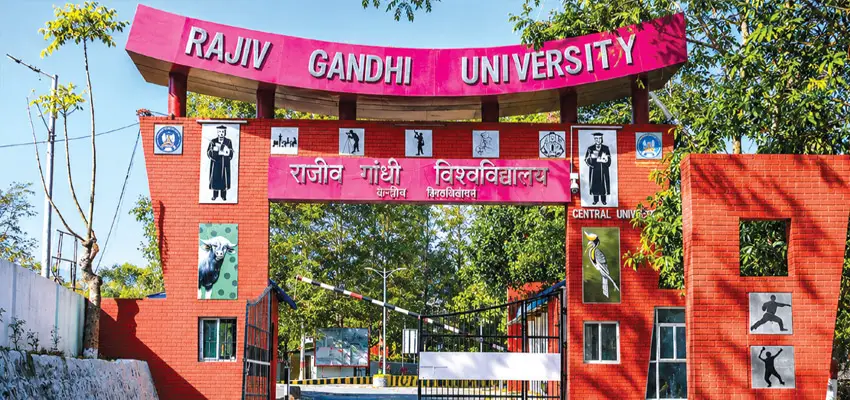
Rajiv Gandhi University (RGU), Doimukh (Itanagar): Founded in 1984 and elevated to a Central University in 2007, RGU is Arunachal Pradesh’s premier multidisciplinary institution, leading research in tribal studies, Himalayan biodiversity, social sciences, and management.
National Institute of Technology (NIT), (Jote / Yupia): Established in 2010 as an institute of national importance, NIT Arunachal Pradesh drives technical education and applied engineering research across computer science, electronics, civil, and renewable energy systems.
North Eastern Regional Institute of Science and Technology, Nirjuli: A renowned deemed-to-be university funded by the Ministry of Education, Nerist is celebrated across the North-East for its unique modular engineering, forestry, and applied science programmes.
College of Horticulture and Forestry, Pasighat: Serving as the academic hub for the state’s agrarian economy, this specialised institution leads research and extension programmes in mountain horticulture, organic farming, and forest resource management.
Dera Natung Government College, Itanagar: Established in 1979 and accredited with high NAAC grades, DNGC is the state’s flagship under-graduate and post-graduate degree college, educating a vast share of Arunachal’s civil servants, educators, and professionals.
Top 5 companies
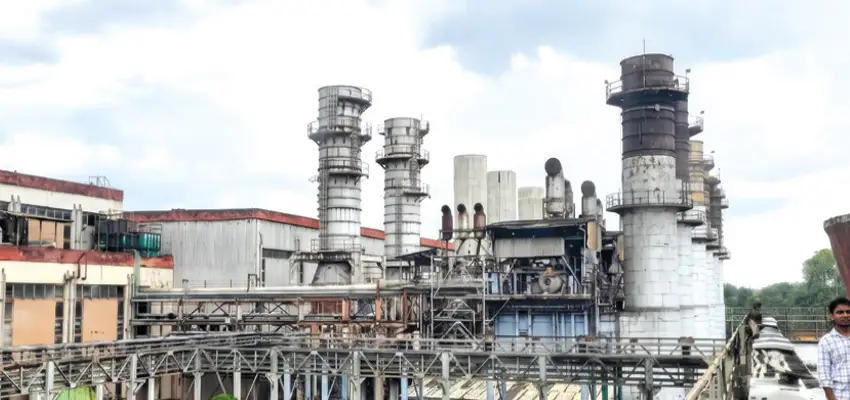
NHPC Limited: India’s premier hydropower utility is executing two of the country’s largest clean-energy projects in Arunachal Pradesh – the 2,000 mw Subansiri Lower Project and the 2,880 mw Dibang Multipurpose Project – anchoring billions in capital investment.
Neepco (North Eastern Electric Power Corporation): Operating major hydro assets including the 600 mw Kameng and 405 mw Ranganadi hydroelectric plants, Neepco serves as a backbone of power generation and joint-venture green energy development.
Oil India Limited: Active in the hydrocarbon-rich belt of Changlang and Namsai districts, Oil India drives crude oil and natural gas exploration, contributing vital mineral royalties and industrial employment to eastern Arunachal.
Satyam Group of Industries: Operating out of the Pasighat industrial belt in East Siang, Satyam is one of the state’s largest private manufacturing houses, producing structural steel, TMT bars, and ferro-alloys.
Arunachal Plywood Industries Limited: A pioneering wood- and bamboo-based enterprise based in Namsai, APIL utilises the state’s abundant forest and bamboo resources to manufacture sustainable engineered wood, plywood, and prefabricated structural products.