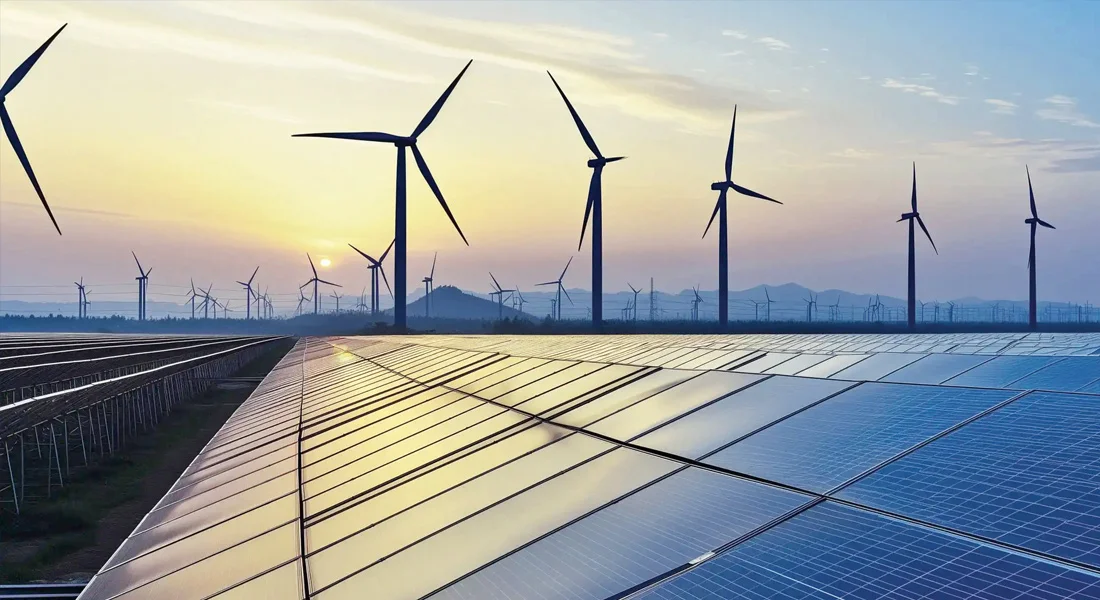
India’s non-fossil power capacity reached 283.46 GW by the close of the last financial year — more than half of a total generation base that has now crossed 500 GW — putting the country firmly among the world’s top three for installed renewable capacity. Solar alone accounts for 150.26 GW, the single largest slice of the clean-energy mix.
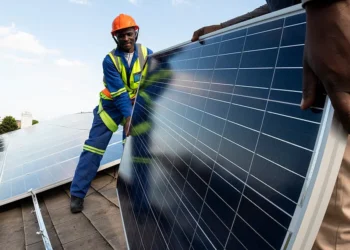
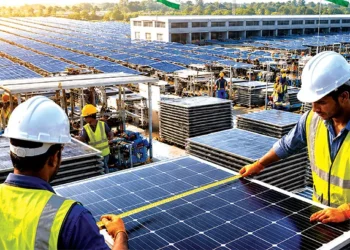
The pace is what stands out. FY2025-26 saw a record 44.61 GW of solar added in a single year, comfortably beating a 34 GW target, with one month alone contributing 6.66 GW. Within solar, utility-scale projects make up 110.43 GW, rooftop 25.73 GW and farm-and-off-grid schemes 14.10 GW, alongside 56.09 GW of wind and smaller contributions from bio-energy, hydro and nuclear — a broad-based build rather than a one-source story.
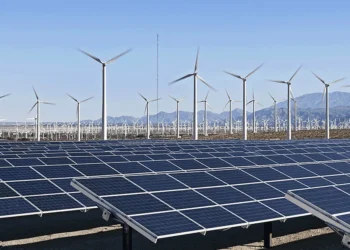
Sun does the heavy lifting: A record year of solar additions carries India’s clean-power base past a major milestone.
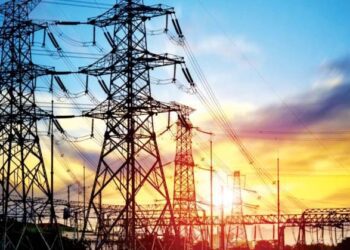
Capacity is the visible half of the transition; the quieter work — storage, transmission and grid flexibility — is what turns record installs into round-the-clock clean power.
At a Glance
- Non-fossil capacity: 283.46 GW (as of March 31, 2026)
- Solar: 150.26 GW — utility 110.43, rooftop 25.73, off-grid 14.10
- Record year: 44.61 GW solar added in FY26 (target 34 GW)
- Target: 500 GW non-fossil capacity by 2030
The honest challenge is integration. As variable solar and wind rise toward half the grid, the binding constraints shift to battery and pumped storage, new transmission lines and the flexibility to balance supply through cloudy evenings and still afternoons — along with land, financing and keeping module supply chains competitive.
The constructive read is that the hardest part — building capacity at scale and cost — is now visibly under way, and a record year gives momentum to the next phase. Pairing generation with storage and grid upgrades is the sequence that carries India from a milestone today to reliable clean power at 2030 scale.