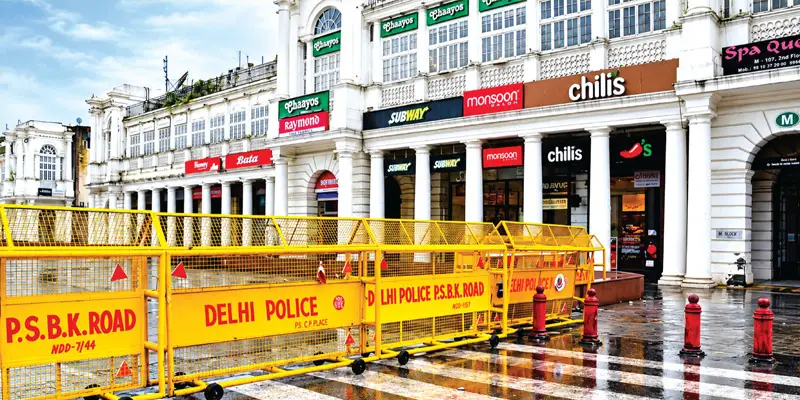
NEW DELHI: Imagine setting out for work on a bright Saturday morning in Delhi. You had a bus – or train – to catch, a meeting to attend and a long list of things to finish. But when you reached the Metro station, the gates were shut, the roads around it blocked, and an unusually-heavy traffic was moving at a snail’s pace.
A few kilometres away, an auto-rickshaw driver watched minutes pass away. Every minute stuck in traffic meant less money earned that day. Somewhere in the same jam, an ambulance was trying to make its way through.
For these people, that morning of October 10 had become a nightmare. They were not part of the protest; they might not have even known what it was all about. Yet their lives were disrupted, just because a demonstration was scheduled to take place that day.
The right to protest
The right to protest is, undoubtedly, an important part of democracy, but the trouble begins when the authorities respond by shutting down roads, closing Metro stations and sealing off public spaces. The intention may be to maintain law and order, but the result is that often an entire city pays the price.
Of course, the police have a tough job: they must anticipate trouble and protect people from violence. But there is a difference between taking precaution and bringing everyday life to a standstill. A city cannot be called peaceful simply because its streets have been emptied. Maybe, another set of people, at another place, is getting inconvenienced,
Without going into the merits of the protesters’ demands, or their reasons for taking to the streets, one must think about the plight of a person who is late for work because a road has been blocked. One must also think about a patient who needs urgent medical attention, or a street vendor who cannot afford to lose a day’s earnings.
Protesters cannot expect public sympathy while ignoring the difficulties they cause to people who have nothing to do with their demands. Blocking an ambulance or Protesters cannot expect public sympathy while ignoring the difficulties they cause to people who have nothing to do with their demands. Blocking an ambulance or bringing life to a standstill by the authorities cannot become acceptable cannot become acceptable simply because the cause of the protesters is justified.
Doing it differently
The same principle applies to the authorities. The administration cannot claim to be protecting the public while making it challenging for them to travel, work or access essential services.
In that sense, a young person protesting on road and a commuter trying to reach office may appear to be on the opposite sides of the spectrum. But they are not. They both are seeking something reasonable: a fair chance to live with dignity. The sad reality is when tempers run high and positions harden, things get messy for both the sides.
What, then, can be done differently? First, governments must learn to engage with the people before frustration spills onto the streets. Student groups, jobseekers and other aggrieved citizens should be provided with a forum where they can share grievances and get a proper response. An early meeting, with a willingness to listen, can prevent a larger confrontation later.
Secondly, people deserve clear answers, not just assurances. If a recruitment process has been delayed, the authorities must explain why and give a realistic time-barred solution. Not every problem can be solved overnight, but an honest explanation is better than silence.
Thirdly, protests should be managed in a way that the city carries on. The police must maintain order while simultaneously ensuring that public transport runs normally. Emergency routes should be demarcated and people should not spend hours around barricades.
Address the problem
Finally, we must address the problems that bring people to the streets. No amount of policing can provide an answer. Listening early, speaking honestly and acting fairly can make real difference.
A barricade can stop a crowd from moving forward; it cannot make the anger disappear. A closed Metro station may prevent a gathering from becoming larger; but it also deprives thousands from going to work. A road cleared of protesters may look peaceful, though the concerns that brought them there remain unresolved.
A mature democracy should not avoid people raising difficult questions. Nor should it allow protests make life miserable for others. The real challenge is to protect the right of people to protest, while respecting the rights of those who simply want to get on with their life. That requires patience from protesters, sound judgment from the police and, above all, a willingness on the part of the Government to listen.
Protesters cannot expect public sympathy while ignoring the difficulties they cause to people who have nothing to do with their demands. Blocking an ambulance or Protesters cannot expect public sympathy while ignoring the difficulties they cause to people who have nothing to do with their demands. Blocking an ambulance or bringing life to a standstill by the authorities cannot become acceptable.