Blitz Bureau
NEW DELHI: For decades, India’s economic story revolved around a familiar migration pattern: millions leaving small towns and villages for the glittering promise of Delhi, Mumbai, Bengaluru, Chennai, Hyderabad and Pune. The metros symbolised opportunity, modernity and upward mobility. Today, however, a quiet but significant reversal is underway. India is witnessing the rise of a new migration trend – not from small towns to metros, but from overcrowded metros to Tier-2 and Tier-3 cities.
Structural shift
The shift is being driven by a powerful combination of economics, technology and changing lifestyles. Skyrocketing rents, long commutes, pollution, congestion and declining quality of life in major metros are forcing professionals and businesses to rethink urban priorities. For many middle-class families, the dream of metropolitan life is steadily losing its charm. A decent apartment in Delhi, Bengaluru or Mumbai now consumes a disproportionate share of household income, while traffic congestion often turns daily commuting into an exhausting ordeal.
The Covid-19 pandemic accelerated this transformation dramatically. Remote and hybrid work models proved that productivity does not necessarily depend on physical presence in expensive corporate districts. Thousands of professionals discovered they could work efficiently from Indore, Dehradun, Coimbatore, Jaipur, Chandigarh or Bhubaneswar while enjoying lower living costs and better work-life balance. What began as a temporary adjustment has evolved into a structural economic shift.
Simultaneously, smaller cities themselves are changing. Better highways, expanding airports, improved internet connectivity and digital payment infrastructure have reduced the traditional disadvantages of non-metro locations.
Government initiatives such as Smart City projects, industrial corridors and digital governance have also improved urban infrastructure in many emerging centres. Educational institutions, healthcare facilities, shopping complexes and startup ecosystems are no longer confined to the metros alone.
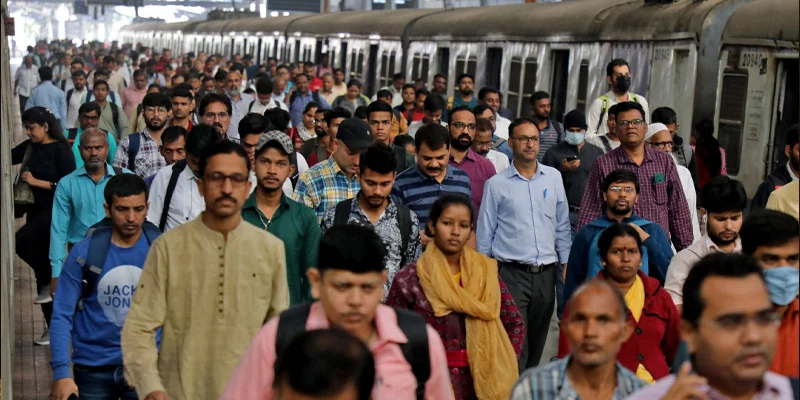
Skyrocketing rents, long commutes, pollution, congestion and declining quality of life in major metros are forcing professionals and businesses to rethink urban priorities
Social implications
This migration is reshaping India’s economic geography. Tier-2 cities are emerging as new hubs for IT services, logistics, manufacturing, tourism, education and healthcare. Companies, too, are discovering commercial advantages. Operating costs in smaller cities are significantly lower, employee retention is often better, and local governments are increasingly eager to attract investment.
The social implications are equally profound. Smaller cities are witnessing rising real estate demand, growing consumer markets and changing aspirations among youth. Local entrepreneurship is flourishing as professionals returning from metros bring new skills, capital and exposure. In many ways, this trend could help correct India’s long-standing imbalance where economic growth remained concentrated in a handful of urban clusters.
Yet the transition also presents challenges. Many Tier-2 and Tier-3 cities remain poorly prepared for rapid urbanisation. Water supply, waste management, public transport and urban planning are often inadequate.
Without careful governance, these cities risk replicating the same chaos that now burdens the metros. India’s future urban story may no longer belong exclusively to its megacities. It may be written in the quieter, ambitious and fast-transforming towns beyond them.