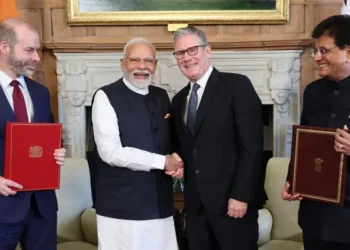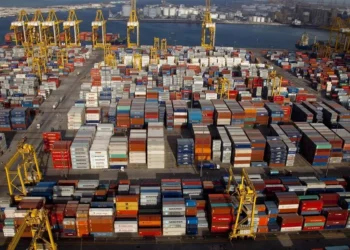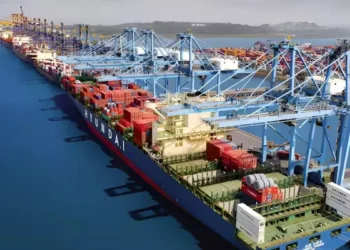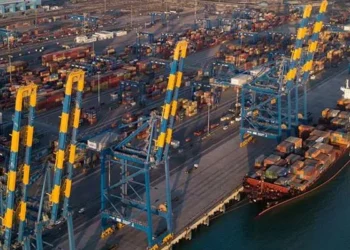
India is running the most consequential trade play in its modern history on three tracks at once. Britain’s Comprehensive Economic and Trade Agreement is already live, moving more than $140 million of zero-duty exports on its very first day. The India–European Union agreement, the larger prize, has entered final legal scrubbing that officials say is a week or two from done. And in Washington, negotiators say a first-phase India–United States pact is stuck at the “last 1%” of legal text, with an interim tariff arrangement counting down to a late-July expiry.
Each track is at a different stage, and the difference is instructive. The UK deal is the proof of concept: from July 15 it removed the 12% British duty on Indian apparel at a stroke, and day-one consignments spanning textiles, electronics, pharmaceuticals and gems and jewellery flew out from more than 20 locations. The EU deal, concluded in principle in January, is the heavyweight — a market of some 450 million consumers — now in the unglamorous but decisive phase of legal vetting before signature. The US track is the tightest on time, if narrowest in gap.
Britain shows what a live deal looks like on day one. The task now is to convert a second and a third from framework into force — without trading away the terms.
On the US track, the sticking points are narrow but real: New Delhi wants any residual duty pitched no higher than competitors such as Vietnam and Indonesia, while Washington seeks firmer assurances on labour standards in textiles, seafood and low-cost manufacturing. India has signalled it will negotiate for the right terms rather than to a deadline, drawing confidence from its widening deal book. Prime Minister Narendra Modi and President Donald Trump directed their teams at a June G7 pull-aside to fast-track the pact, keeping the political will warm even as the legal text is finished.
The constructive read is that access is only the invitation; the order book is the work. Britain live, Europe near and America pending would hand Indian exporters a runway few economies can match — but the gains show up only when firms operationalise them. The way forward runs through unglamorous plumbing: fast origin certification, mutual recognition of standards and trade finance that reaches mid-sized firms, so a day-one headline in London becomes a full order book in Tiruppur, Surat and Visakhapatnam.