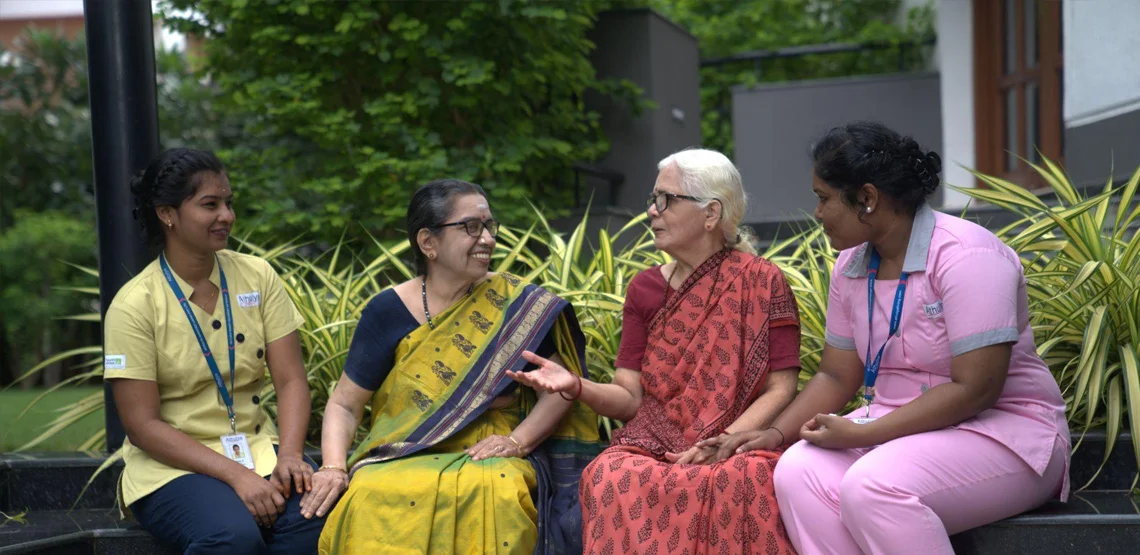
For decades, India has been celebrated as one of the world’s youngest nations, a country whose demographic dividend promised sustained economic growth and a dynamic workforce.
Much of the public discourse continues to focus on youth, employment and skills. Yet a quieter demographic transformation is already underway. As life expectancy rises and fertility rates decline, India is gradually moving towards an ageing society. The question policymakers must confront is whether the country is prepared for this profound shift.
According to demographic trends, several Indian states have already reached or fallen below replacementlevel fertility. Families are becoming smaller, while advances in healthcare and living standards are enabling people to live longer. These are signs of social and economic progress. However, they also mean that the proportion of elderly citizens in the population will increase steadily in the coming decades.
An acute challenge
The implications extend far beyond demographics. An ageing population will place growing pressure on healthcare systems, pension arrangements and social security mechanisms. Elderly citizens are more likely to require long-term medical care for chronic conditions such as diabetes, hypertension, heart disease, arthritis and dementia. India’s healthcare infrastructure, already stretched in many regions, is not adequately equipped to meet this rising demand.
An ageing population will place growing pressure on healthcare systems, pension arrangements and social security mechanisms
The challenge is particularly acute because a large proportion of India’s workforce remains employed in the informal sector. Unlike workers in Government service or organised industry, millions of Indians retire without assured pensions or comprehensive health coverage. For many elderly citizens, financial security depends largely on personal savings or family support. As traditional joint family structures give way to smaller nuclear families and migration separates generations, this support system is becoming less reliable.
Economic implications
Urbanisation is further altering the social landscape. Increasing numbers of elderly parents live alone while their children pursue careers in distant cities or abroad. Loneliness, social isolation and mental health concerns are emerging as significant but often overlooked aspects of ageing. The debate on ageing must, therefore, go beyond income and healthcare to include issues of dignity, community engagement and emotional well-being.
There are also important economic implications. A shrinking share of working-age citizens could eventually affect labour markets, productivity and economic growth. Countries such as Japan, South Korea and several European nations have already experienced the fiscal and social pressures associated with ageing populations. India still has time to prepare, but that window will not remain open indefinitely.
The need of the hour is a comprehensive policy framework that addresses elderly healthcare, pension coverage, assisted living facilities and social protection. Preventive healthcare, geriatric care services and agefriendly urban infrastructure must become priorities. Expanding pension schemes and strengthening community-based support systems will also be essential to demonstrate how India cares for its elderly.