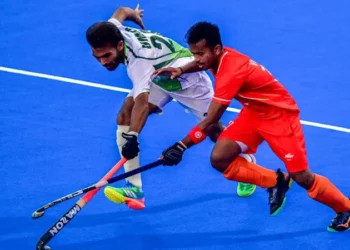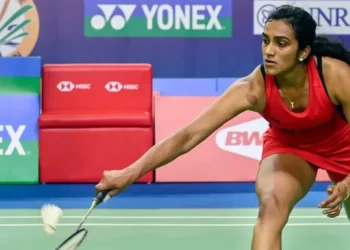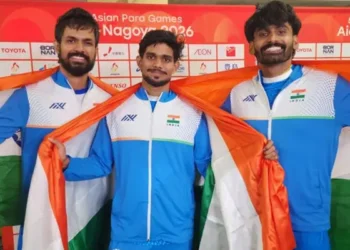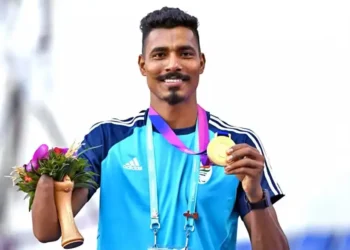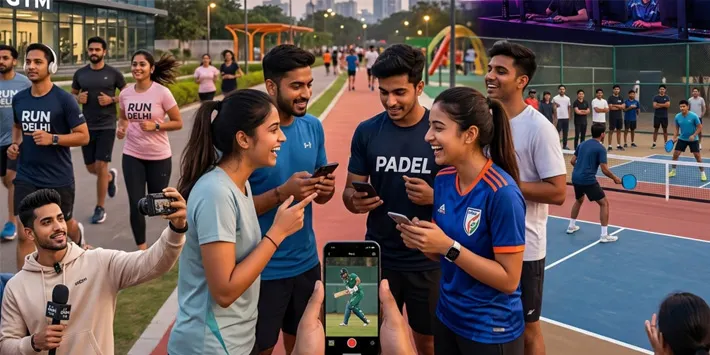
Sports in India is no longer con- ¿ned to stadiums, television screens or cricket matches in neighbourhood parks. A dramatic cultural shift is underway, driven by Gen Z – the digital-native generation that is transforming how sport is consumed, played, celebrated and monetised.
For young Indians today, sport is not merely competition; it is lifestyle, identity, entertainment and social currency rolled into one.
The biggest shift is visible in attention spans and viewing habits. Gen Z prefers highlights over full matches, reels over lengthy commentary, and interactive content over passive viewing. A six, knockout punch or spectacular goal now travels faster through Instagram reels, YouTube shorts and memes than through conventional sports bulletins.
Sports economy
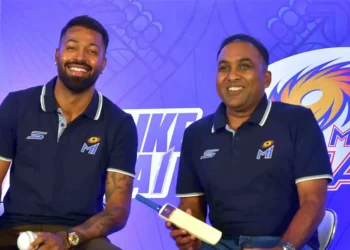
This evolution has fundamentally altered the sports economy. Leagues, franchises and broadcasters are redesigning content for mobile-¿rst audiences. The Indian Premier League remains the biggest example – mixing sport with celebrity culture, music, fashion and inÀuencer marketing to attract younger viewers.
But Gen Z’s sporting world extends well beyond cricket. Sports like pickleball, padel, mixed martial arts, long-distance running and esports are witnessing explosive urban growth. Fitness apps, wearable devices and social media challenges have turned physical activity into a visible lifestyle statement. Weekend marathons, cycling clubs and amateur leagues now attract young professionals seeking both ¿tness and community.
Even gym culture has evolved into a form of sporting identity. Athletic wear, protein brands and performance-driven lifestyles have become aspirational among urban youth. Sport today intersects with fashion, wellness and social media inÀuence in ways unimaginable a decade ago.
Perhaps the most striking development is the rise of e-sports and gaming culture. Competitive gaming tournaments now attract packed arenas, sponsorships and online audiences running into millions. Games such as BGMI, Valorant and FIFA have created celebrity gamers with fan bases rivaling traditional athletes. For Gen Z, the distinction between physical and digital sport is increasingly blurred.
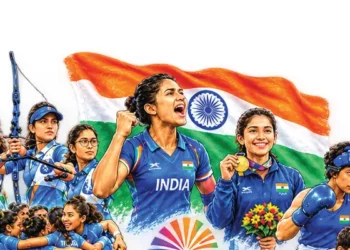
Women are also reshaping the sporting landscape. Young audiences are embracing women’s cricket, football and combat sports with unprecedented enthusiasm. Athletes are no longer admired only for medals but for personality, con¿dence and digital engagement.
Technology sits at the centre of this transformation. Sports fans today follow athletes directly on social media, bypassing traditional journalism altogether. Locker-room videos, podcasts, behind-thescenes clips and live interactions create intimacy between fans and sports stars. The athlete is now both performer and content creator.
The commercial world has quickly recognised the shift. Brands are pouring money into sports inÀuencers, niche leagues and youth-centric sporting experiences. Sponsorships increasingly target engagement rather than mere television ratings. Even colleges and schools are investing more aggressively in sports infrastructure as participation gains aspirational value.
Sociological change
There is also a deeper sociological change underway. For earlier generations, sport was often viewed as recreation or an uncertain career path. For Gen Z, it represents opportunity – from professional leagues and ¿tness entrepreneurship to content creation, analytics and gaming careers. Parents who once pushed children exclusively towards engineering or medicine are increasingly open to sporting ambitions.
However, challenges remain. India’s sporting infrastructure outside major cities is still uneven. Grassroots coaching, mental health support and athlete development systems lag behind global standards. Excessive commercialisation and social-media pressure are also creating new anxieties among young athletes.
Yet the momentum is unmistakable. India is witnessing the emergence of a generation that does not see sport as occasional entertainment but as an integral part of modern life. In this new ecosystem, fandom is digital, participation is fashionable and athleticism is aspirational.
FIVE BIG TRENDS
Format Consumption: Young audiences increasingly prefer reels, highlights and short-form clips over watching entire matches. Viral moments now drive sports conversations.
Fitness as lifestyle: Running clubs, gym culture, cycling communities and wearable ¿tness technology have made athletic living fashionable among urban youth. Rise of e-sports: Competitive gaming has become mainstream entertainment, with tournaments, inÀuencers and sponsorships creating a booming industry. Beyond cricket: Sports like pickleball, football, MMA, badminton and padel are rapidly gaining popularity among younger Indians.
Athletes as inÀuencers: Modern sports stars are now brands. Followers engage with them through podcasts, vlogs, fashion collaborations and social media. Experts believe this cultural shift could eventually transform India from a cricket-dominated nation into a far broader sporting economy. With growing corporate investment, rising ¿tness awareness and digital engagement, Gen Z may become the generation that fundamentally changed India’s sporting landscape.